Health Beat: Tough Call on Taking Statins to Prevent Heart Disease
It’s hard to say if the benefits outweigh the risks. And so far, most studies of the popular medication don’t include women.
“Your cholesterol is too high again,” I told my 72-year-old patient, a woman who has never had heart problems and doesn’t want to take any medication.
“Let me try again,” she said. “I just don’t want to get stuck on those cholesterol pills forever! I hear all these risks about taking them, it’s not something I’m going to do!”
We had been having this discussion for the last few years. Her LDL, or bad cholesterol, ranged from 160 to 180 each time she had it checked. She had tried working on her diet, and exercising more, but at 72, she felt changes were not likely to really have an impact on her numbers.
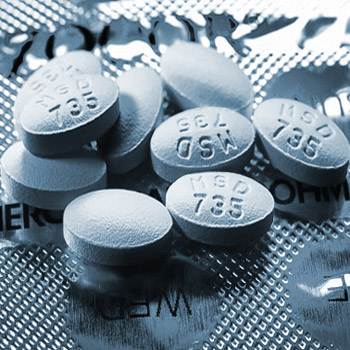
Statins are extremely popular, but there are concerns about possible side effects.
AJ Cann/Flickr.com
She wasn’t the only one who brought up the questions about the risks of taking statins. Earlier in the week, another one of my longtime patients, a 95-year-old woman, had stopped taking them because of muscle pain, and felt a lot better off of the medication. She refused to go back on the pills, and wanted to know if there was any benefit in taking them at her age.
They are not alone in their questioning of statins. The concern that has been raised repeatedly in the medical news for the past year.
Statins are a group of cholesterol medications that came to market in the 1980s. Heralded as the greatest discovery yet for the lowering of cholesterol, the drugs have been used to treat millions of people in the hopes of reducing the chances of heart disease, the No. 1 killer in the United States.
The medications work by inhibiting an enzyme in the liver involved in the production of cholesterol. The end result of taking statins is lower cholesterol values measured in the blood — up to 50 percent lower.
The popular names include Pravachol (pravastatin), Lescol (lovastatin), Zocor (simvastatin), Lipitor (atorvastatin) and Crestor (rosuvastatin).
A recent Mayo Clinic podcast reviewed some of the scientific concerns about the use of statins and their risks.
The big question that keeps coming up is the risk versus the benefit of using these drugs in people with no history of heart disease, just to lower their cholesterol. This is what is known as primary prevention.
Researchers have already established that those who have already had a heart attack or a stroke should lower their cholesterol as much as possible. But what about everyone else?
The latest news has centered on the risk of newly diagnosed diabetes with the use of statins. Certain ones can cause an increase in sugar resulting in diabetes more than others. Pravastatin, for example, can increase the risk by about 7 percent. Medications like Crestor, 25 percent.
The big question that keeps coming up is the risk versus the benefit of using these drugs in people with no history of heart disease, just to lower their cholesterol.
But it seemed like a paradox, because those who already have diabetes have a lower rate of heart disease if they take statins, high cholesterol or not. The risk of heart disease may go down while sugars may go up.
Muscle pain is another risk with statin use. Up to 20 percent of people have some type of muscle ache with statin use. Some medications and doses cause this more than others. It’s the most common reason people stop using the drugs, and can be a serious concern.
Last November, the American College of Cardiology and the American Heart Association released revised guidelines suggesting that based on a risk calculation, one in three adults should be taking statin medications for the prevention of heart disease. That was twice as many as the year before.
Should that many people really be taking cholesterol drugs?
Clearly there are certain groups of people who should take statins. Those who have had heart attacks or strokes, those with a high risk of heart disease based on a risk calculator that includes lifestyle habits such as smoking, blood pressure, weight, and cholesterol, those with diabetes, and also those with extremely high bad cholesterol levels.
Where does that leave someone like my 72-year-old patient with high cholesterol but no history of heart disease?
More studies are needed to clarify what to do for those people with high cholesterol numbers, but no other risks for having heart disease.
Researchers have not studied women as often as men regarding the long-term use of statins. The West of Scotland Coronary Prevention Study done in the 1990s only included men. For them, taking statins was shown to help lower the rates of heart attacks.
In fact, new results from a 20-year follow-up study, just released two weeks ago at the 2014 AHA Scientific Sessions, were even more impressive. The reduction in heart attacks was dramatic – 31 percent less for those who took pravastatin, for even just five years.
But women were excluded from the study. Can those results be used to answer my patient’s dilemma? She’s not sure and not willing to take another pill every day.
The elderly are also underrepresented in the studies done so far. No research has been done on primary prevention for people in their 90s, and at this point my 95-year-old patient has no definitive reason to go back on the medicine. Especially not with muscle pains, which could put her at a higher risk of falls.
She just doesn’t want to do it, and as her doctor, I have to agree.
The basic message used to be clear. Reduce cholesterol, reduce heart attacks and strokes, and live longer. But now, the situation is not as straightforward. No one on statins should simply stop, but just taking the medication without a careful analysis by one’s doctor isn’t the answer either.
More studies are needed to clarify what to do for those people with high cholesterol numbers, but no other risks for having heart disease — especially women and those lucky enough to be so healthy in their 80s and 90s.
Until then, the question remains.