Neal Milner: Medical Reefer Madness
After dawdling for 15 years, Hawaii has adopted a policy that, as the experience of other states shows, is out of date.
Hawaii should scrap its new medical marijuana policy and start over because the policy is based on archaic assumptions and flawed processes.
There are better ways to go. Starting in the wrong direction makes no sense because once we go down that wrong path it will be extraordinarily hard to change.
Hawaii’s new law is like the Iowa state liquor stores, which were the only places to buy liquor when I lived there in the late 1960s.
After the repeal of Prohibition the Iowa Legislature reluctantly allowed the sale of liquor but only through state-owned stores.
The store near me screamed of this reluctance. It was in a windowless, signage-less building on the edge of town. It looked like a place where Animal Control euthanized strays.

No browsing, no displays, just a counter, a checklist, a dull pencil nub, and a clerk who went into the mysterious, inaccessible back room to fill the order.
The overall message was clear: sure, you may buy it, but we are going to do everything we can to discourage you.
As quaint and archaic as this system was — Iowa privatized liquor sales in 1986 — at least the customer did not have to travel long distances to get to one of these stores and then sign a document that she understood the evils of Demon Rum.
And you did not need a note from anyone in authority giving you permission. If you wanted to go the way of the Devil, it was up to you.
Like Iowa, the new Hawaii medical marijuana policy is based on restriction rather than opportunity. The Hawaii law, however, is more insidious because it claims that it is making marijuana more accessible while in fact enforcing the policy with paternalistic and medical assumptions that do just the opposite.
The history of Hawaii’s law is all about reluctance. How else can you explain the 15 years it has taken to move from passage to implementation? That’s more than a decade longer than it took Iowa to make liquor available after Prohibition was repealed.
Regulation is at the center of Hawaii’s approach. Make medical marijuana available but carefully control its use.
Hawaii’s policy will use a regulatory process to decide who will get the licenses to grow and sell, where sales may occur, and in a less direct way who is eligible to buy.
Regulation has a sensible, common-sense sound, but regulation in general is very hard and very risky. It requires, rules, procedures, and protocols. More importantly, it requires monitoring to make sure that all of these are working properly.
That is why regulating is the hardest part of governing and why regulation is especially risky in Hawaii.
This state does a continuous, awesomely lousy job of monitoring or regulating the people and agencies that carry out the government’s business.
The free-market buccaneer in me comes out whenever this state tries to regulate. That’s not because of ideology but rather because of experience.
This state does a continuous, awesomely lousy job of monitoring or regulating the people and agencies that carry out the government’s business. It is an endemic, pervasive problem.
Given that history, it makes sense to assume that medical marijuana regulation will not be an exception to such regulation roughshodding.
But this ultra heavy reliance on regulation and control raises deeper issues. Hawaii is setting up a state-regulated oligopoly.
Fewer competitors mean higher prices for the product. People will have to pay much more for medical marijuana than they would pay on the street.
And since there will be only a handful of legal outlets, many people will have to travel a long way to get access.
Furthermore, the rules also limit access in ways that are even more like the Iowa. The dispensaries will be closed on Sunday, which is just like the old Sunday Blue Laws that prohibited slothful, trivial behavior like buying booze and shopping for groceries on the Lord’s Day.
Doctors are one of the key gatekeepers in this process, adding another layer of fear and control.
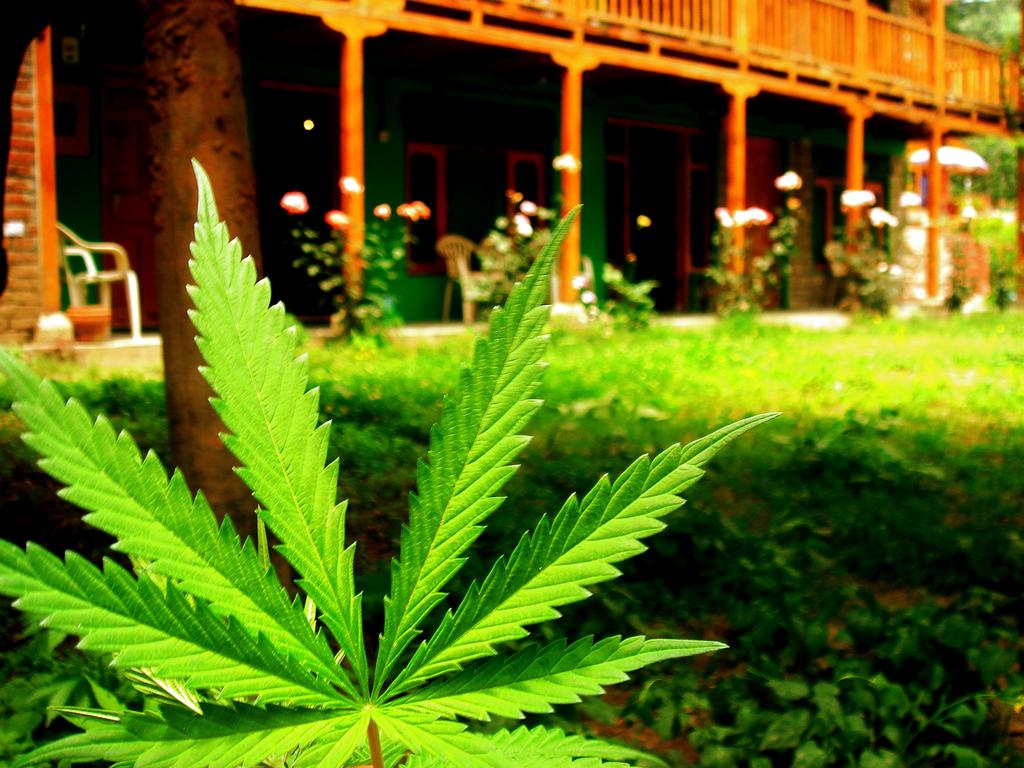
Off-putting as they were, the Iowa establishments were at least called “stores,” as in the corner dry goods store. Hawaii’s places are called the more formidable and medical “dispensaries.”
In Iowa I did not need a note from anyone in authority in order to buy my bottle of bottom-shelf scotch. Not so with Hawaii’s medical marijuana.
You will probably need a note from a doctor. In the name of making the process “smooth and efficient,” the Hawaii Medical Association wants the state to require that each medical marijuana user sign an informed consent form listing marijuana’s harmful effects.
That form would resemble the informed consent form a patient signs when she is about to undergo a medical procedure. Smooth and efficient through medical eyes maybe, but certainly a liquor-store-like mixed message on the state’s part.
Given the high price, inaccessibility, and medical requirements, many sick people will continue to get marijuana they way they always have. Others will continue to go without.
So after dawdling for 15 years, Hawaii has adopted a policy that, as the experience of other states shows, is out of date.
There is another way to go, one that some states, most recently Oregon, have already adopted. Legalize marijuana more generally.
This approach sees much less need to control marijuana growers and users. It sets no limit on the number of sellers. It requires growers or sellers to register but does not require licensing. It regulates where marijuana may be used, but not who may use it.
Finally, it may use state-sanctioned facilities to test the contents of marijuana but allow the consumer to judge which one she wants to use.
Realistically, it is too late to stop Hawaii’s law from taking effect, but the sooner the Legislature acts to change it, the better. The longer the new law is in effect, the more likely there will be agencies and interests committed to keeping the status quo.
So now is the best time, possibly the only realistic time, to act.