

Health Beat: From Obamacare To Medicare, Changes Are Coming
For a possible preview of the effects on Hawaii, look at plans already proposed by the House speaker and a Trump Cabinet nominee.
There is a lot of mystery regarding what’s next for health care in America. Republicans have long desired to repeal the Affordable Care Act, and although President-elect Donald Trump has stated he wants to keep certain provisions, nothing is set in stone.
Several components of prominent Republican plans may be the wave of the future when it comes to changing our current health insurance system — from Obamacare to Medicare.
Obamacare helped to provide coverage for millions of Americans that were formerly without medical insurance. Its dismantling would leave a void that must be filled by an alternative. The proposals put forth by Republican leaders have some major flaws but also major potential.
For better or worse, they could have a direct effect on Hawaii residents.
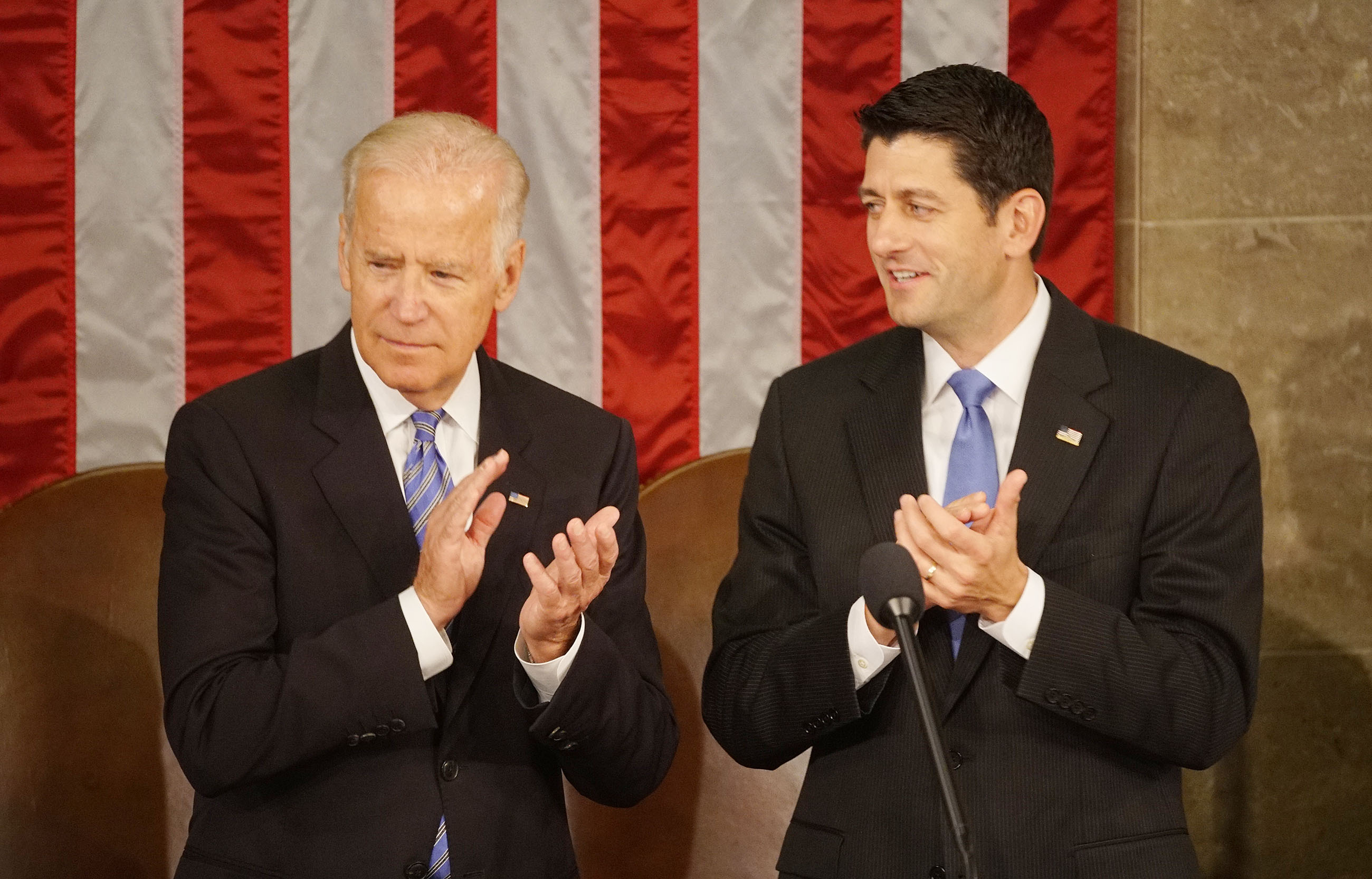
House Speaker Paul Ryan of Wisconsin has proposed a health care overhaul that would preserve employer-based health insurance while also offering individuals the ability to have health coverage independent of their working status.
Health insurance portability is a good idea. How many people stay in jobs they would otherwise leave or retire from because of wanting to keep their health insurance benefits? Ryan has suggested that if people are given the ability to purchase their own health insurance and receive either tax credits or pre-tax savings, it would save money them money rather than the current system that provides the savings to their employers.
At first glance, this shows promise, but it presumes that people will get paid their cost of benefits in wages, so someone currently making $50,000 with $10,000 worth of insurance benefits would now make $60,000 instead. However, there is no guarantee that employers are going to pay people the cost of their benefits outright. Even if they do, it’s taxable, potentially putting people in higher tax brackets overall.
The Medicare program has always been a nationwide program, why not private health insurance as well? Could Hawaii residents benefit from buying their health insurance in another state?
It’s a good idea in theory, but as health insurance costs rise, there is no way to guarantee affordable coverage even with the health credits or pre-tax health savings accounts.
The state Prepaid Health Care Act of 1974 mandated that in Hawaii, employers must provide health insurance for their employees working 20 or more hours a week. Many people have several part-time jobs just to make ends meet. These folks might benefit from a health insurance system that is not tied to employment, allowing them to work multiple jobs that might pay more overall, rather than one job that provides health insurance.
But it’s doubtful to change much for those with full-time employment, given our current legislation.
Another portion of Ryan’s health care proposal, the creation of a voucher system for Medicare, is also in the plan put forward by Tom Price, Trump’s choice for secretary of Health and Human Services. Rather than having the government run the programs outright, private businesses would “compete” for the market and provide coverage of seniors in the Medicare program, much like the current Medicare Advantage programs do now.
In this proposal, the government would be less involved in the management of Medicare plans and allow the marketplace to provide coverage options for seniors. The private health care industry, rather than a government agency, would set the standards.
Hawaii has seen the effect of the Medicare Advantage plans with Humana, UnitedHealthcare and others entering our formerly Hawaii Medical Service Association-dominated market. Plans offer different benefits and the costs vary, providing options for our seniors. This could soon be the way all people access their Medicare benefits, through private companies.
Will this help with the increasing costs of health care for seniors? Historically, the Medicare Advantage plans have actually cost taxpayers tens of millions of dollars more than standard Medicare through a complicated system of risk analysis and overpayments. Although seniors might save money on individual plans, the Medicare system as a whole may not.
Price’s “Empowering Patients First Act” could change how people purchase health insurance, and potentially, where.
For other products, such as car and life insurance, companies sell policies nationwide, with some regional specificity, but the policies do cross state lines. Health insurance has been the exception. Allowing for coverage to be purchased in different states could open the doors to new competition, which in theory might lower costs for the individual.
The Medicare program has always been a nationwide program, why not private health insurance as well? Could Hawaii residents benefit from buying their health insurance in another state? That could dramatically alter the current insurance landscape of two major providers with several smaller companies, and open up the market to more competition. As seen with the Medicare Advantage plans, that might lower costs to the individual, but no one knows how that might work in Hawaii.
If one payer is operating in several states, it’s possible that the costs would be standardized. Right now there is a huge variation in the costs of tests and procedures nationally. Some of these differences make sense, but others clearly do not. Doctors often claim that they are paid more on the mainland than here, and this might be one way to level the field regarding reimbursement as well.
Change may also be coming regarding medical malpractice. Prominent in the Price plan is the establishment of administrative health care tribunals, incorporating a panel of medical doctors and legal experts with health care expertise. Tribunal judges would assess liability and potential compensation. Although this wouldn’t restrict plaintiffs from seeking a trial, it does provide a specialized “health court” that addresses the need for certain advanced medical expertise when dealing with malpractice concerns.
Doctors have been advocating for medical malpractice reform for years, and this plan may just provide some relief. Patients could have faster access to settlements if health tribunal judges decide in their favor, instead of waiting years for cases to be heard in the regular courts.
Hawaii has the Medical Inquiry and Conciliation Panel, but its findings are nonbinding and can’t be used in further legal proceedings. This could provide a better opportunity for faster adjudication of cases, which might help both parties.
One thing is certain. In the coming months, there could be big changes to health care as we know it, involving both the public and private sectors of health insurance and medical malpractice.
We live in interesting times.

