Trisha Kehaulani Watson: Why Hawaii's Best Future Is Female
Women have been on the front lines of Hawaiian marches for decades. Now they are increasingly emerging as community leaders.
September 17, 2021 · 3 min read

About the Author

I used to do a presentation about Queen Ka‘ahumanu. The presentation was basically about what an amazing leader she was.

When I was going through graduate school in the aughts, prevailing discourse still painted women in the Hawaiian Kingdom as subjugated to male leaders. I always found this position rather preposterous. Being a Hawaiian woman and having spent a great deal of time around Hawaiian women, the idea that we were historically wilting flowers seemed contradictory to everything I knew.
Hawaiians were widely painted, erroneously, as “feudal.” This is the word they loved to use: feudal.
It makes sense since many people who wrote about Hawaii were Westerners, so an understanding of the role feudalism played in Western history was easily woven into their writing of Hawaii’s history. Similarly, women were portrayed as somehow secondary to a political history that was primarily masculine.
The truth is far more complex, and the reality was that women played tremendously important political and leadership roles in the Hawaiian Kingdom. Women were raised to be cunning and savvy — and they were political strategists that, alongside their male counterparts, navigated a political environment that was complex and difficult.
Therefore, the rise of powerful Hawaiian women today should be no surprise.
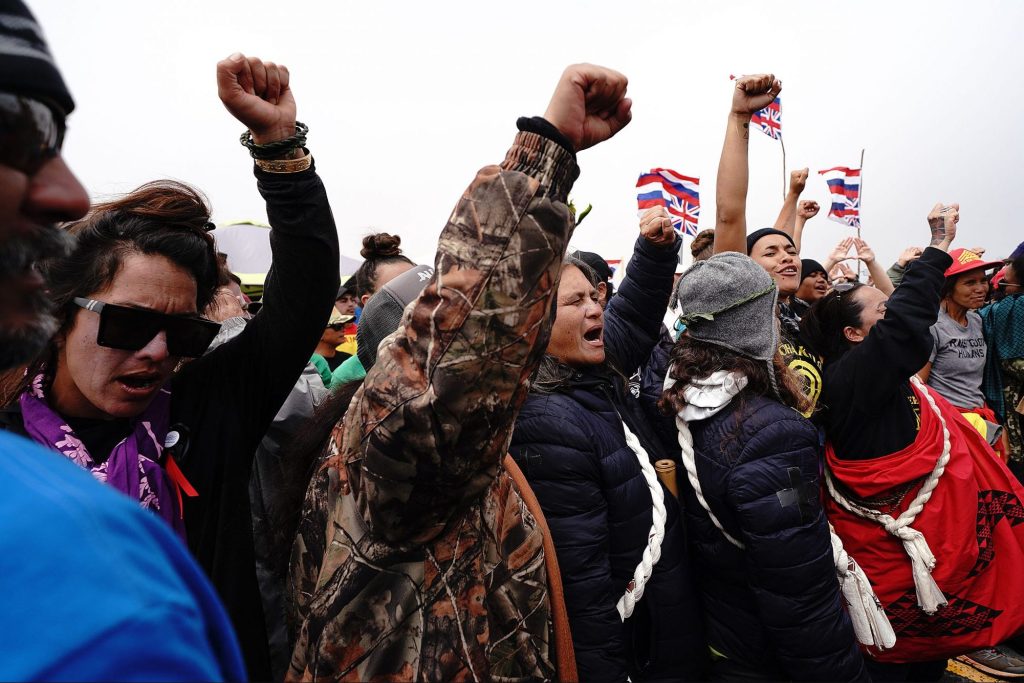
Women like Hina Wong-Kalu have been on the front lines of Hawaiian marches for decades. But now we also have women like Pua Case leading on Hawaii island. And issues like the Thirty Meter Telescope have given women the opportunity to not only step forward, but to demonstrate their leadership capacity.
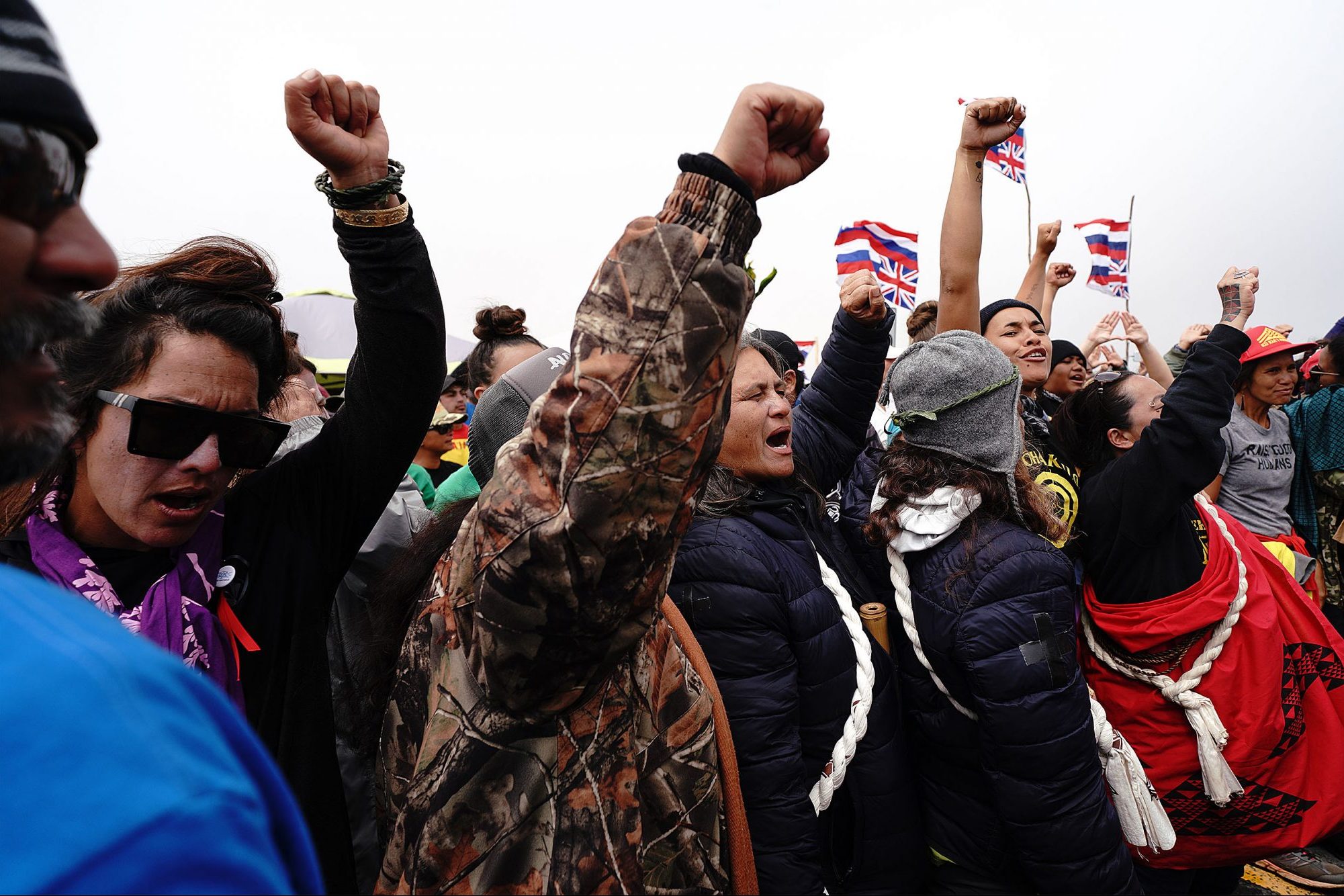
While many people, of all genders, contributed to the success of the base camp at Mauna Kea, I also believe that it was the strong leadership of women that ensured all who came through that camp were effectively cared for. And the exceptional sense of aloha and kindness that existed there was a result of collective leadership that embraced the women among them.
It was groups like the Mauna Medics who made sure people had access to the medical care that was needed. The leaders on site made sure people were safe and fed. It was, above all else, thoughtful and compassionate leadership.
When a woman is referred to as a “mana wahine” it means that she is seen as a “powerful woman,” but not simply in the Western sense. Mana for Hawaiians is primarily spiritual. It’s a power that radiates from having a strong integrity and good character. It’s not about material wealth; it’s about spiritual wealth. And how that spiritual wealth is shared with others and used to make the world a better place.
More and more we see these women emerging as community leaders. They’re in Waimanalo, Haena, Hana, Hilo. They’re everywhere: working in hospitals, leading food drives, patrolling their communities to keep them safe.
If you just stop for a moment to look around, chances are there are some incredible women in your life and in your community doing important work. And it’s worth noticing and acknowledging.
Strong female leadership is in the DNA of these islands. It makes everything about Hawaii stronger and better. And the more we can pour support into the mana wahine in our community, the more we can contribute now to a future that is compassionate, just and powerful.
 Sign up for our FREE morning newsletter and face each day more informed.
Read this next:
Local reporting when you need it most
Support timely, accurate, independent journalism.
Honolulu Civil Beat is a nonprofit organization, and your donation helps us produce local reporting that serves all of Hawaii.
ContributeAbout the Author