Why Isn’t Hawaii Talking About Principles And Values?
Democracy is a form of government built on a foundation of ethical truths, and it cannot survive without them.
November 11, 2022 · 4 min read

About the Author

Values matter because how we adopt laws is as important as the laws we adopt, and all of us are charged with protecting the self-governing principles that are the foundation of our democracy.

The corruption in Hawaii that has been and is being uncovered by the federal government and media should have us all asking, “Is this democracy?”
The hastily passed resolution (House Resolution 9), without Senate participation, raises again the question, “Is this democracy?”
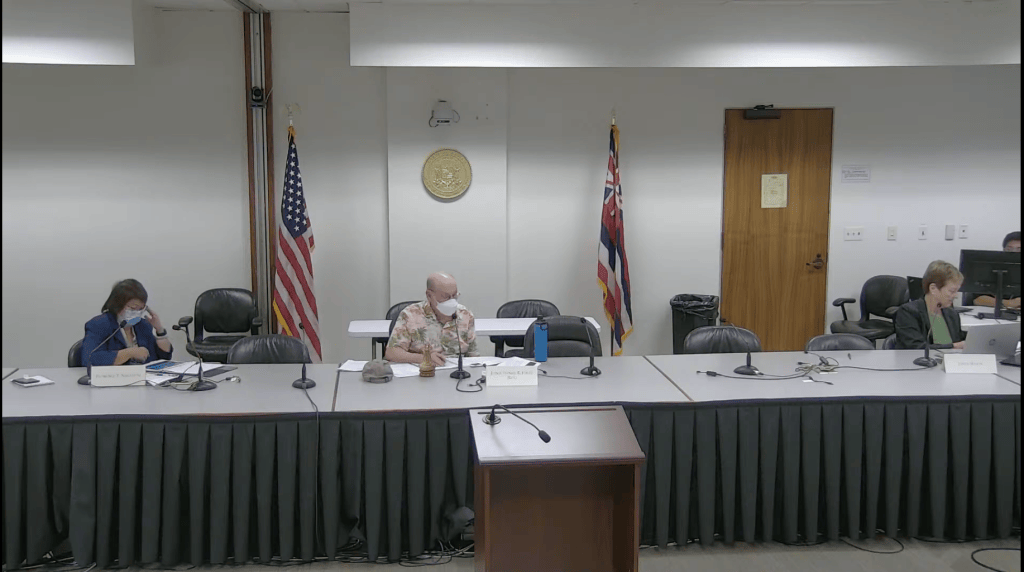
The Commission to Improve the Standards of Conduct that HR9 established has been meeting and drafting bills and rules to address the corruption in the state and counties to protect equality of participation and the varied interests of all.
There must also be transparency and accountability, not just from the federal sector and media, but from fellow lawmakers without a circle the wagons mentality of protecting each other.

What has been missing in these discussions are the principles and values that should underlie all the recommendations. How can Hawaii pass laws to stem corruption when we ignore the principles and values that are the foundation for our democracy? How can any organization thrive without principles and values?
Values statements are the core, guiding principles of an organization; they define what the organization believes in and how people in the organization are expected to behave — with each other, with everyone who comes before the government, and with other stakeholders. A values statement is, in essence, the moral direction of the organization that guides how it works, how it makes decisions, and how it takes action.
Democracy is a form of government built on a foundation of ethical principles and it cannot survive unless those principles are honored and protected.
Values-based leadership is essential to preserving and protecting democratic principles and there are at least three widely recognized moral virtues that are central to ensuring that the governing process is democratic: truthfulness, justice, and temperance.
Truthfulness. Untruths hurt our democracy because when our leaders deceive us, it becomes more challenging for the public to learn the facts and that makes it more challenging for citizens to provide meaningful input. This undermines the all-important role of the citizenry in the policy-making process.
Justice. Justice exists only when there is fairness in the process of governing. It requires those in leadership positions to consider the varied interests of all and to protect equality of participation.
There must also be transparency and accountability. Voter suppression of any kind is unjust and a threat to democracy. For example, how we draw congressional district maps influences the fairness of our elections.
Temperance. Temperance is also central to democratic leadership. In democracy we do not each get our way, but we must respect the right we all have to work with our fellow citizens and address our challenges in a way that moves us forward as a people.
Respect for the rights of others is essential. Good leaders do not divide and conquer, but rather, they bring people together through the democratic process. We are all in this together and we must all work together for the greater good of Hawaii.
Elected officials and those working in government should understand that they hold a sacred trust as public servants. They are not in their positions to serve themselves, but to represent their communities through their good examples and leadership.
When they fail, they take not just themselves and their families down, but they take down the community, the state, and the people’s faith in the communal good and institutions of government as well.
Democracy is a principled form of government in which we all matter, and values-based leadership is central to preserving and protecting this great democratic experiment.
 Sign up for our FREE morning newsletter and face each day more informed.
Community Voices aims to encourage broad discussion on many topics of community interest. It’s kind of a cross between Letters to the Editor and op-eds. This is your space to talk about important issues or interesting people who are making a difference in our world. Column lengths should be no more than 800 words and we need a photo of the author and a bio. We welcome video commentary and other multimedia formats. Send to news@civilbeat.org. The opinions and information expressed in Community Voices are solely those of the authors and not Civil Beat.

Local reporting when you need it most
Support timely, accurate, independent journalism.
Honolulu Civil Beat is a nonprofit organization, and your donation helps us produce local reporting that serves all of Hawaii.
ContributeAbout the Author