A Call To Hawaiʻi Merchants: Help End Food Waste
Something as essential as food shouldn’t be relegated to the dumpster, if we can help it.
January 5, 2026 · 5 min read

About the Author

As we conclude the season of giving, receiving and overconsumption, I wanted to introduce a creative way to bring in the new year on a lighter note. Because food waste remains a global problem, saving consumables from landfills is still one of my favorite pastimes.
According to reporting from the University of California-Davis, one-third of all food produced is wasted. That’s 30 million tons of wasted food in the United States alone. Something as essential as food shouldn’t be relegated to the dumpster, if we can help it. There is another way.
I first learned about the world’s largest marketplace for surplus food, Too Good To Go, a few years ago while in California. The Certified B Corporation started in Denmark a decade ago and easily gained global traction among conscientious consumers and businesses.

Ideas showcases stories, opinion and analysis about Hawaiʻi, from the state’s sharpest thinkers, to stretch our collective thinking about a problem or an issue. Email news@civilbeat.org to submit an idea or an essay.
One of its participating cafes in Pasadena had a flyer on the front door indicating that they were a partner with a goal of eliminating food waste: “Food waste is a big problem, and we can be a solution. Too Good To Go is the app that lets you rescue unsold food at your favorite spots from an untimely fate.”
The intent behind this surplus food — consumer connection is to help divert excess food from the day’s offerings away from landfills and into the loving arms of frugal consumers. Participating restaurants, deli’s, grocery stores and cafe’s offer “surprise bags” of their unsold consumables for a fraction of the normal price. For example, pastries valued at $18 from Big Jim’s Donuts in Pasadena will cost a consumer $3.99. Simply pick them up between 4 p.m. and 6 p.m. and don’t be too picky about the variety of sweets that are in the bag.
Buying a bag of food with its contents a mystery certainly fascinated me. I’m not much of a gambler but I do enjoy a good surprise every now and then. I wasn’t convinced this program would be worthwhile if it were an endless clearinghouse for cheap donuts or cold pepperoni pizzas. It turns out there are surprise bags containing full meals, side dishes, pastries, and even groceries that align with all sorts of dietary needs if local retailers are aware that this program exists.

Wandering through various parts of the country, I have had good luck finding surprise bags at local businesses I wouldn’t have found if not for the introduction Too Good To Go has made. And that is partly the point.
In addition to helping combat food waste, merchants are incorporating this app into their marketing strategy to attract new customers. A business will offer a “surprise bag” of food with the hope of drawing in consumers who buy additional items while they are in the store. Someone picking up a “surprise bag” of liquor (yes this is a thing), just may want something to snack on while joyfully sipping on the deal they just scored.
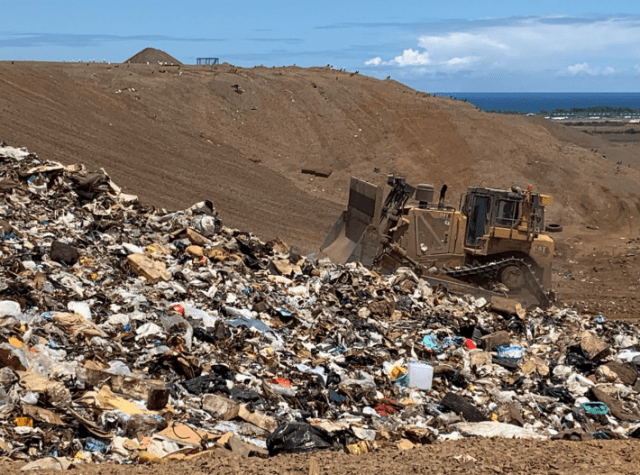
Sadly, I can count on two shakas the amount of participating businesses in all of the Hawaiʻi islands, with just one on Maui where I live. Local businesses can take the lead in our community and find a home for perfectly good food before it meets its demise. The County of Maui Integrated Solid Waste Management Plan from 2021 estimated that over 41,000 tons of food waste, 19% of everything thrown away, is added to our landfills annually. Let’s reimagine the math.
Food is a major household expense here. Recent reporting by LendingTree reveals that Hawaiʻi residents spend 32% more for groceries than the national average, due to transportation charges incurred. Preventing this essential resource from going to waste can help address more than one problem faced within the state.
We can reduce emissions. We can slow the pace of filling our landfills. We can make lower cost food more readily available. We can ramp up existing diversion plans, like supporting local charitable programs and composting efforts. We can also use smartphone apps like Too Good to Go.
Food is a major household expense here.
Within the state, Whole Foods is leading by example diverting surplus food from landfills as a major donor to community feeding programs and farms. At its lone location on Maui, Whole Foods also has several offerings available on the Too Good to Go app to attract curious consumers ready to take a chance and save on the green stuff. Grocery stores, restaurants, food trucks, hotels and bakeries have an opportunity to play an important role by joining Whole Foods in addressing food waste.
Together we can work to save the planet while helping the people who live right here in a major way.
 Sign up for our FREE morning newsletter and face each day more informed.
Community Voices aims to encourage broad discussion on many topics of community interest. It’s kind of a cross between Letters to the Editor and op-eds. This is your space to talk about important issues or interesting people who are making a difference in our world. Column lengths should be no more than 800 words and we need a photo of the author and a bio. We welcome video commentary and other multimedia formats. Send to news@civilbeat.org. The opinions and information expressed in Community Voices are solely those of the authors and not Civil Beat.
Read this next:

About the Author