

Bill To Save Thousands Of Maui Vacation Rentals Heads To Planning Commissions
The County Council moved the Bill 9 counterpart forward to receive a thorough vetting and recommendations on ways to change it before final passage.
Nearly a month after passing a version of Maui Mayor Richard Bissen’s bold plan to free up housing for residents by phasing out thousands of the island’s short-term vacation rentals, the Maui County Council on Wednesday advanced legislation that would reduce the number of affected units by more than half.
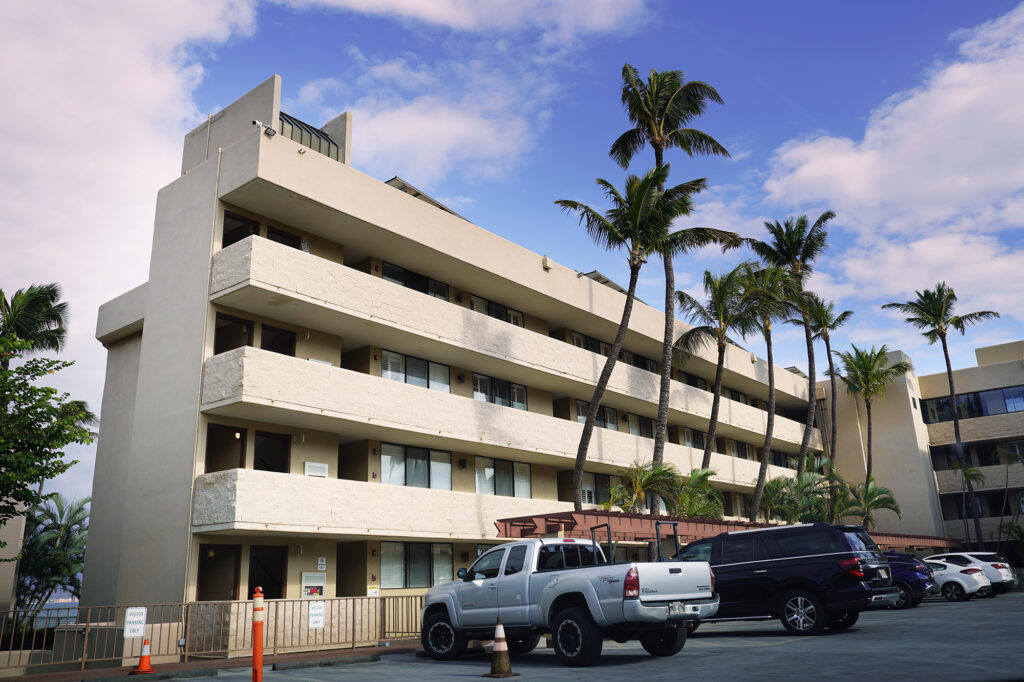
Bill 9, which lays out the mayor’s plan, is set to end the exemptions which have long allowed roughly 7,000 apartment-zoned units across the county to operate as short-term rentals starting Jan. 1, 2029 in West Maui and Jan. 1, 2031 in the rest of the county.
The council is now soliciting feedback from the county’s three volunteer planning commissions on a separate bill that would rezone more than 4,500 of those rental units to allow for both hotel and residential uses.
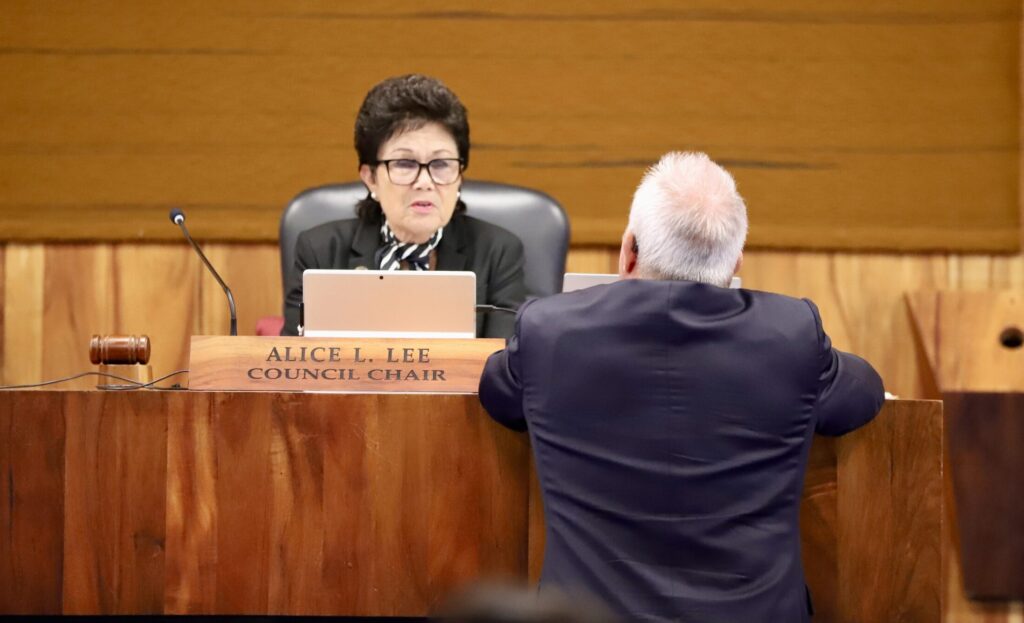
Even though the council expressed mixed views on the legislation and whether it should be amended further, only Keani Rawlins-Fernandez of Molokaʻi voted against forwarding the bill — with minor language adjustments — on to the Maui, Molokaʻi and Lānaʻi planning commissions for review. The commissions have the next 120 days to do their review and send the bill back to the council with any recommendations.
“We’re being rushed to move this along and to not have a full and complete discussion. All the language of what we’re sending the planning commissions is not as fully baked as it could be, and that was what I was hoping we would avoid,” she said. “My hope is that in committee we can continue to have these discussions to figure out what would be the best way to achieve the desires of all the council members.”
Rawlins-Fernandez and council member Tamara Paltin of West Maui proposed amendments to address concerns related to properties expected to be affected by sea level rise in the coming decades and prevent the acceleration of erosion. In 5-4 votes, the council rejected those measures.
Council members including the newly seated Kauanoe Batangan, who replaced the late Tasha Kama, argued that those issues would be better addressed in separate legislation.
“I would prefer to keep the zoning in the code clean and to take these up through a different legislative vehicle,” said Batangan, who was sworn in Monday.
The council first took up the rezoning bill, which is based on recommendations made by a Temporary Investigative Group for Bill 9, during a meeting last month. When council members couldn’t agree on whether they should discuss possible amendments to the legislation before sending it to the planning commissions, they punted further discussions on the topic to the new year.
Council member Tom Cook of South Maui, who served on the investigative group, introduced the bill last month and said it is intended in part to protect the county from lawsuits filed by affected property owners. Some lawsuits have already been filed.
If passed, it would establish two new hotel zoning districts encompassing thousands of units that the investigative group identified as being too expensive for locals, at-risk due to sea level rise or otherwise unsuitable to be rented out to most long-term residents.
Bissen introduced Bill 9 in May 2024, in large part responding to the deadly August 2023 wildfires that displaced more than 12,000 residents and exacerbated the island’s longstanding housing shortage.
The legislation divided the community, often pitting fire survivors and others who have struggled to afford the cost of living against some property and business owners who said they relied on income from tourists staying in short-term rentals. While opponents said that Bill 9 would inevitably lead to lawsuits and devastate the local economy, supporters argued that it was illogical to allow so many units to be set aside for visitors while local families were forced to compete for the island’s few affordable housing options.
Civil Beat’s coverage of Maui County is supported in part by a grant from the Nuestro Futuro Foundation.

