Kyūdōjo Project Harmful To Park And Surrounding Neighborhood
It would reduce open space, burden area parking, risk traffic safety and ignore environmental and historical requirements.
May 4, 2026 · 4 min read

About the Author

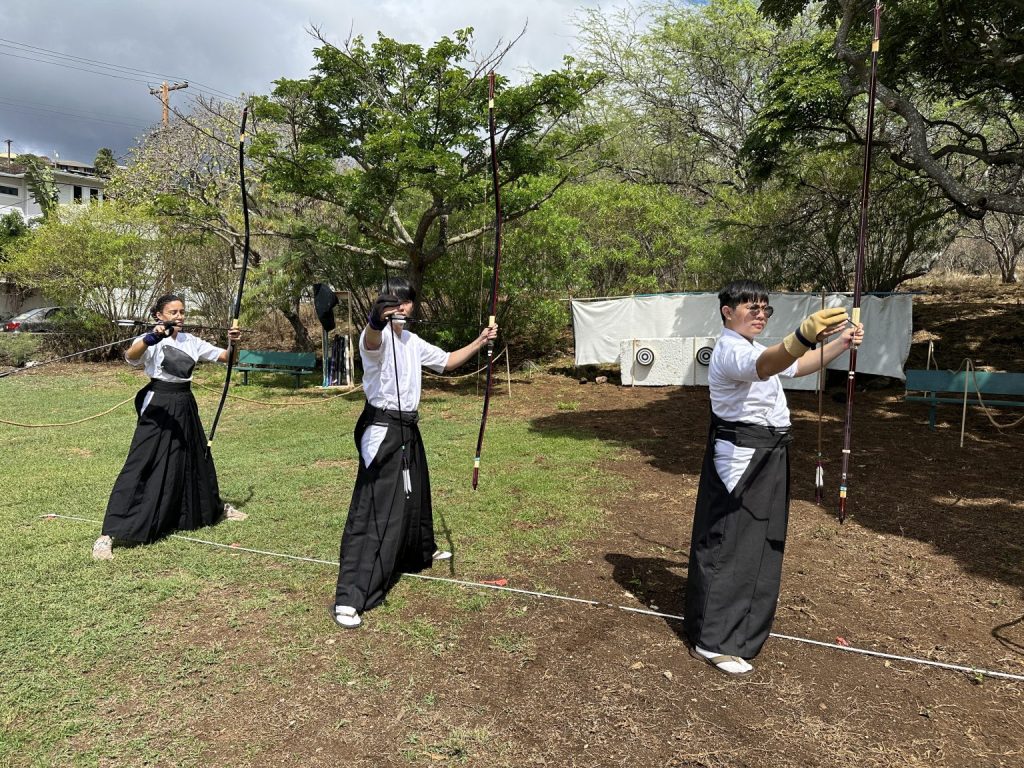
The proposed development of a kyūdōjo (Japanese archery) facility within Mauʻumae Park at 16th Avenue and Claudine Street has raised serious concerns among residents in the upper portion of Kaimukī.
These concerns include disregard for the land’s historical mission as a “nature park,” the loss of green space, failure to address traffic safety issues and added strain on already limited parking. This area was not designed to accommodate increased traffic volume, and the project risks creating unsafe conditions for pedestrians, residents and park users.
The surrounding neighborhoods on both sides of 16th Avenue are composed primarily of working-class households, including multi-generational families with children, first-time homeowners, and long-term renters. This is a close-knit community where residents walk, gather and look out for one another.

Increased congestion and reduced open space would erode residents’ quality of life and sense of safety.
Mauʻumae Park is an important shared green space for the community. Any reduction in accessible park area should be carefully weighed against the broader public benefit, especially in a neighborhood where open space is already limited.
The park deserves greater investment to maximize its value for residents, yet even in its current condition, it remains a quiet, undeveloped refuge in an otherwise dense residential area.

The park’s trees and vegetation do more than enhance neighborhood character. They absorb stormwater and filter pollutants, helping reduce runoff in an area prone to flooding and erosion. The proposed facility would further diminish this limited green space and may compromise soil health and native bird habitat. Despite these concerns, no environmental impact review has been conducted.
Kyūdō has deep roots in Japanese history and culture and is often described as embodying purpose, harmony and the quiet power of aloha. However, a facility grounded in those values should be located so as not to place an undue burden on a small neighborhood park or its residents. Larger parks and underutilized spaces elsewhere in Honolulu would be far better suited for this type of development.
The proposed kyūdōjo campus would occupy nearly 0.6 acres of the park’s limited accessible area and include a 19-stall parking lot. It would be situated at a particularly challenging intersection where Claudine and Anuhea streets merge, with limited sight distance for traffic on 16th Avenue. Compounding the risk, downhill traffic on 16th Avenue often exceeds the posted speed limit.
If the facility hosts community or cultural events as anticipated, 19 parking spaces will likely be insufficient. This will push visitors onto the narrow residential streets along 16th Avenue, where parking is already constrained. Even when street parking is available, visitors may need to cross 16th Avenue, where speeding vehicles and poor visibility increase the risk of accidents and injuries.
It is easy to dismiss opposition to this project as NIMBY-ism. In fact, residents’ concerns align with the city’s priorities — managing growth, preserving neighborhood character, protecting open space and advancing Complete Streets — while the proposal itself falls short.
Many residents received little information during the project’s early stages and had few opportunities to provide meaningful input. A recent online survey conducted by Honolulu City Council Chair Tommy Waters, which found that 78% of respondents opposed the project, underscores the depth of community concern and highlights the need for more careful consideration.
For these reasons, the city should reconsider this proposal and pursue a more suitable location — one that supports cultural practices such as kyūdō without compromising the safety, character and limited green space of this Kaimukī neighborhood.
 Sign up for our FREE morning newsletter and face each day more informed.
Community Voices aims to encourage broad discussion on many topics of community interest. It’s kind of a cross between Letters to the Editor and op-eds. This is your space to talk about important issues or interesting people who are making a difference in our world. Column lengths should be no more than 800 words and we need a photo of the author and a bio. We welcome video commentary and other multimedia formats. Send to news@civilbeat.org. The opinions and information expressed in Community Voices are solely those of the authors and not Civil Beat.
Read this next:

Local reporting when you need it most
Support timely, accurate, independent journalism.
Honolulu Civil Beat is a nonprofit organization, and your donation helps us produce local reporting that serves all of Hawaii.
ContributeAbout the Author