‘Cannot Happen Again’: Lawmaker Targets Doctors Who Impregnate Patients
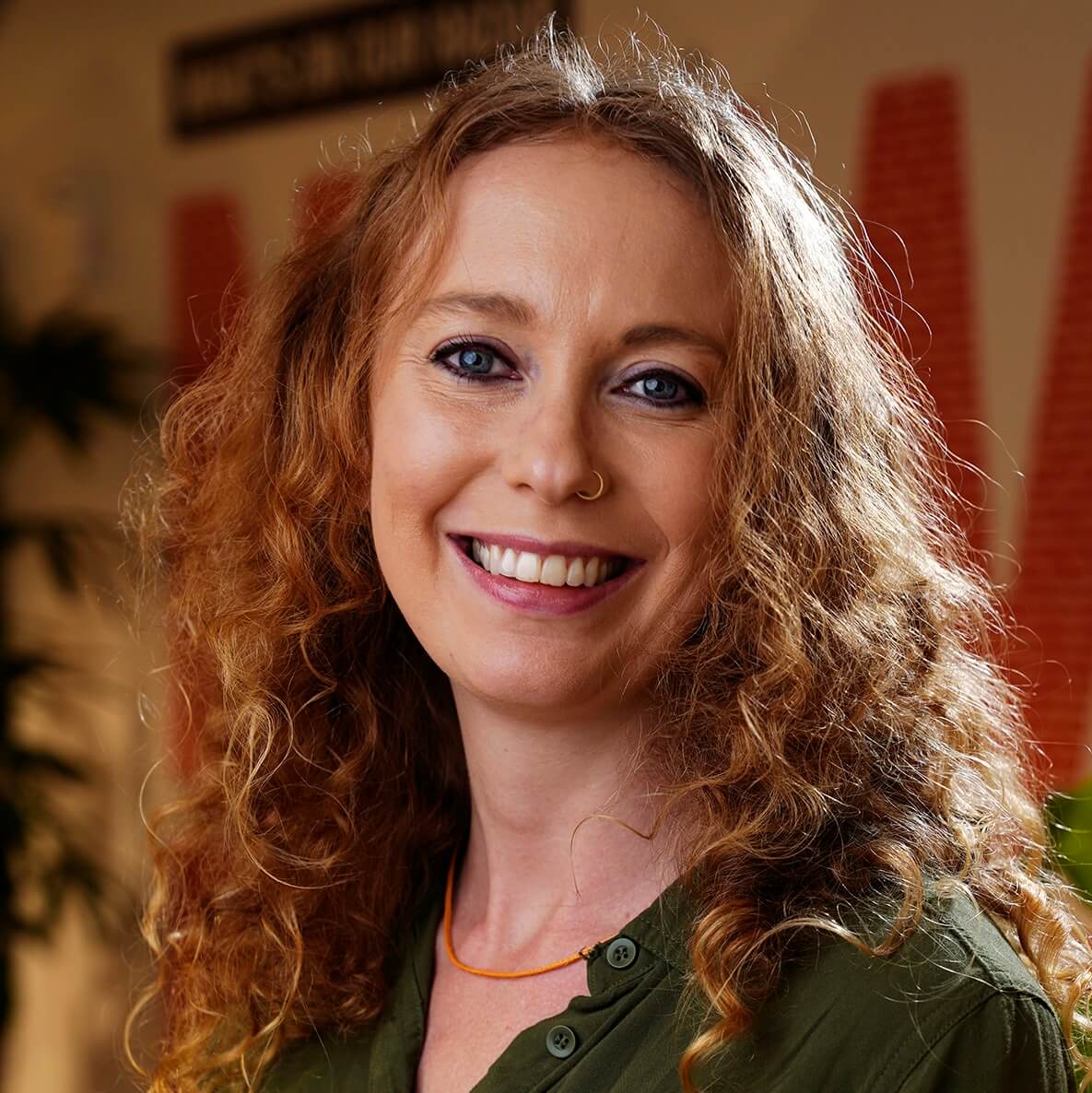
After learning a beloved North Shore gynecologist was accused of using his own sperm to inseminate patients without their consent, Rep. Amy Perruso is seeking to outlaw this behavior.
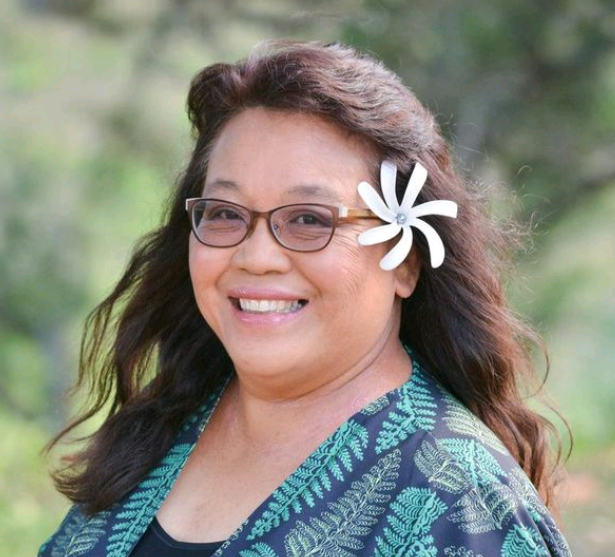
Like many other women in the Wahiawā community, state Rep. Amy Perruso was horrified when she read that Dr. William McKenzie, a renowned gynecologist on Oʻahu’s North Shore, had been accused of inseminating fertility patients with his own sperm without their consent.
The story, which Civil Beat broke last month, shocked her not only because he was the main OB-GYN in the Wahiawā area for more than 50 years. But he had been her doctor too.
“It was a shock to everybody,” she said.
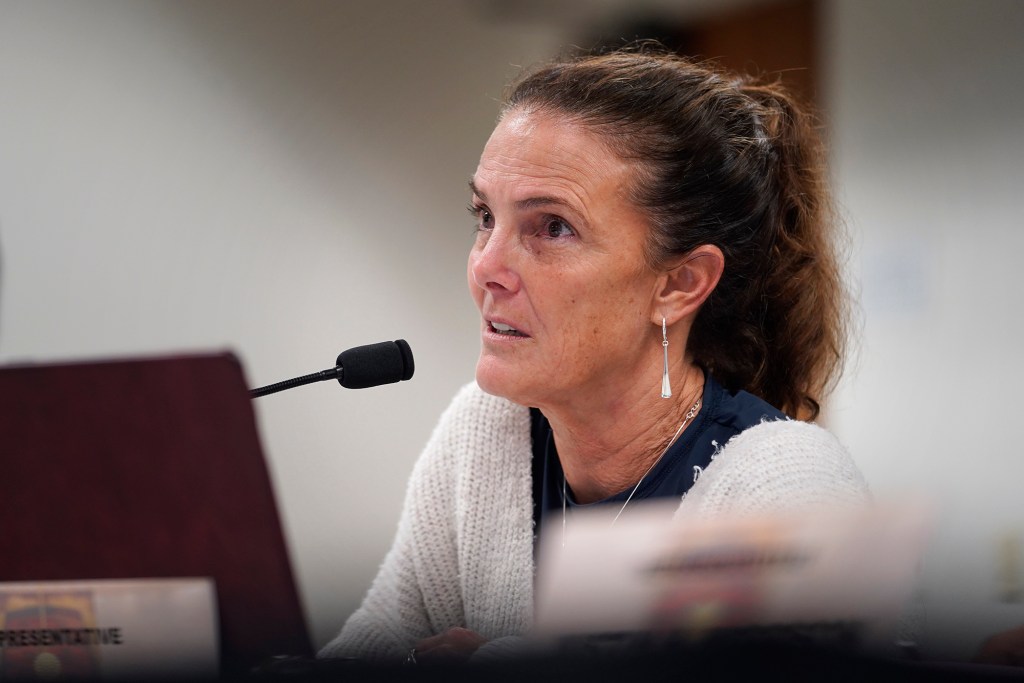
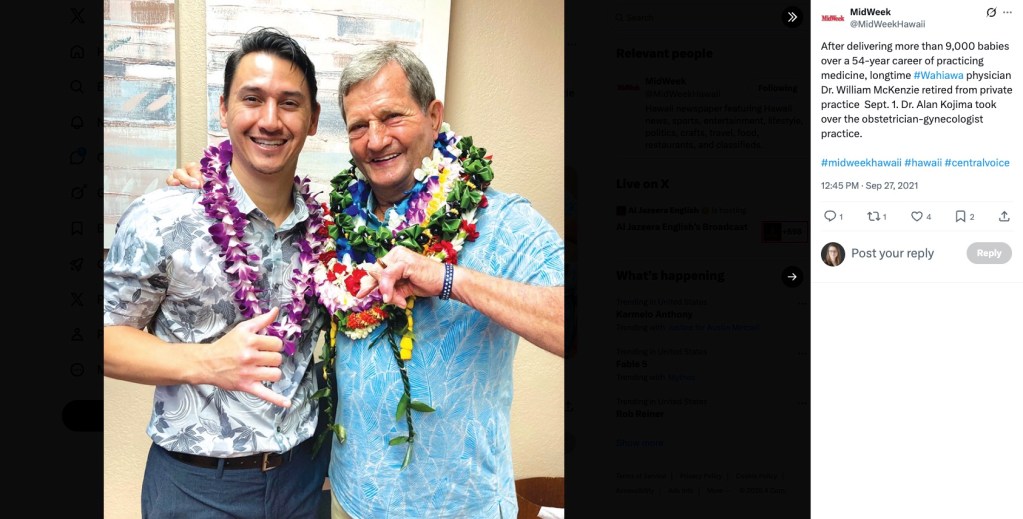
McKenzie, who retired in 2021 but still holds an active medical license, was sued in 2019 by a woman who said he artificially inseminated her with his own sperm, even though she had requested an anonymous Filipino sperm donor. She made the shocking revelation decades later after genetic testing showed that her twin sons were related to the doctor, according to her lawsuit.
McKenzie denied using his own sperm in the insemination procedure without her consent, according to court documents, and declined to comment for Civil Beat’s earlier story.
Perruso said she was disturbed to learn Hawaiʻi has no laws on the books prohibiting the behavior McKenzie was accused of. That has to change, she said. She immediately started work on a bill to make fertility fraud a class C felony and establish a pathway to sue for patients, their spouses and any offspring born of illicit insemination.
“This cannot happen again,” Perruso said in a video posted to Instagram the day the Civil Beat story was published. “This is a super sad moment for our community, but we’re going to fix it and we’re going to make it better.”
If passed, Hawaiʻi would join at least 14 other states that have outlawed and/or created civil penalties for fertility fraud.
The 2019 civil case against McKenzie was quietly closed the following year. How the case was resolved — and the terms of any settlement agreement — are not public record. Mckenzie was never charged with a crime, and he was never disciplined by the licensing board other than being fined $750 for failing to disclose the lawsuit when he applied to renew his license.
Civil Beat spoke to members of two families who say the twins have multiple half-siblings, the apparent results of other inseminations by the doctor. The sources spoke to Civil Beat on the condition of anonymity, fearing public attention could harm their families.
Joanne Hicks, a Hawaiʻi criminal defense attorney and former prosecutor, said fertility fraud doesn’t fit neatly into the state’s sexual assault statute, making it a difficult offense to pursue criminally. A law specifically prohibiting the behavior would help protect victims.
“That would certainly make prosecution of that very specific type of crime a lot more enforceable,” she said. “And maybe it would act as a deterrent to the current doctors.”
Thomas Cook, the attorney who represented McKenzie in the 2019 lawsuit, declined to comment for Civil Beat’s story in May. When reached at their Waialua home last month, McKenzie’s wife told a reporter to “go through legal.”
‘The Trust Was Just Broken’
T.J. Cuaresma remembers her phone lighting up with messages one morning last month after members of the community learned about the allegations against McKenzie.
“I could not believe it,” said Cuaresma, who is vice chair of the Wahiawā Neighborhood Board. “I was floored.”
Cuaresma had been a patient of McKenzie’s herself for 35 years, and he had delivered both of her sons. Though she had never seen him for fertility treatments, she said her trust was still shattered by the allegations against him.
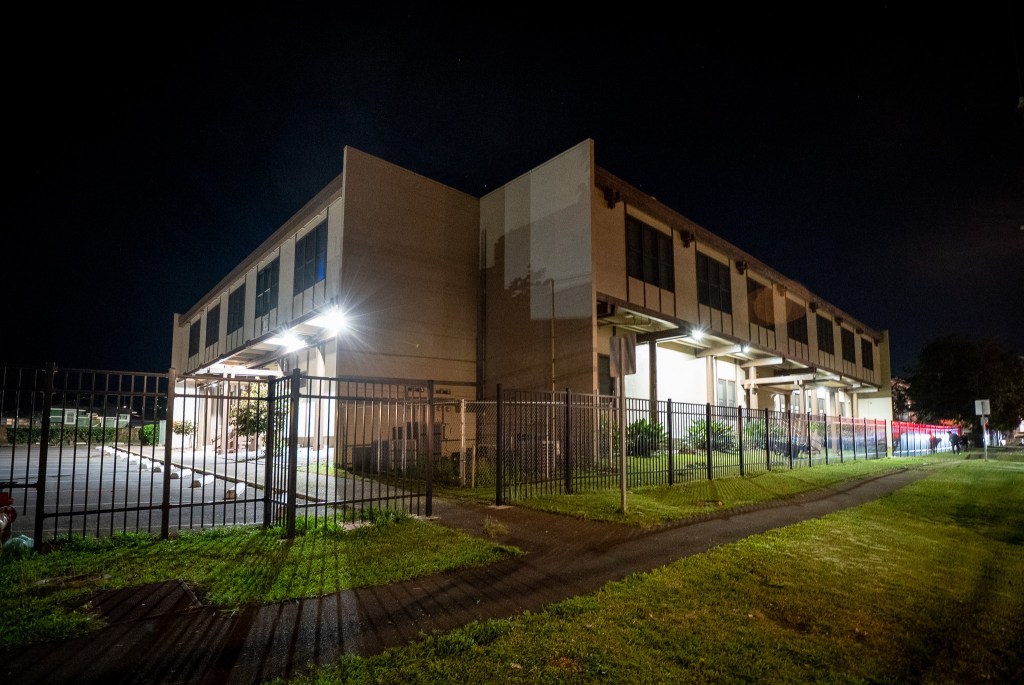
The other community members who were texting and calling her were also feeling anxious, she said.
“To think that a doctor that has been in our community for as long as he has,” she said. “The trust was just broken.”
Cuaresma said she was disturbed by the fact that his alleged actions aren’t technically a crime in Hawaiʻi. That’s something she hopes Perruso’s bill can change. She also said she’d like to see an investigation into McKenzie’s conduct.
Perruso had a similar experience speaking to community members who learned about the allegations. She was fielding calls and texts from constituents and friends who’d had him as their doctor and were feeling betrayed.
“He was perceived as being a good guy, kind of a pillar of the community,” she said. “People took pride in the fact that he had delivered all their babies and their daughters’ babies. And, honestly, as women, we were kind of connected that way in this community.”
Perruso has already drafted a bill to establish a class C felony for “misuse of human reproductive material” by healthcare providers who knowingly use “gametes” during assisted reproduction from a donor without informed consent. A gamete is defined as one or more cells, including sperm or eggs, that has the potential to form an embryo when combined with another gamete.
Class C felonies can carry prison terms of up to five years and fines of up to $10,000.
The bill would also create civil penalties for fertility fraud. Victims could sue for all damages necessary to compensate them for any injuries suffered, including emotional and mental distress, or for $50,000 in liquidated damages. Liquidated damages are sums of money specified to be paid to a party after a contract breach if the true value of the damage is difficult to determine. Victims who could sue include the patient, a spouse or partner and any children born from a procedure that involved illicit insemination.
Perruso said the bill is in its very early stages and she is still working on the wording. She said she would like it to be retroactive so providers who are found to have committed fertility fraud in the past can be held accountable.
When a doctor in a medical practice has been found to have used their own sperm in this way, Perruso would also like to require health clinics to inform all relevant patients and possibly provide genetic testing to patients who seek it.
The lawmaker is not yet sure if that will be included in the legislation or if it’s something the Hawaiʻi Medical Board and Department of Commerce and Consumer Affairs would need to address in its rules.
Perruso plans to continue working with stakeholders, including prosecutors and medical experts. She also looks forward to hearing testimony and having discussions about the issue during the coming session, which will begin in January.
“I think in this kind of case, folks who are affected, families who are affected, are so easily isolated and silenced,” she said. “At least having a space where they can tell their story, you know, they could come share their experience with our office so that it better informs our legislation and also connect with other families who are similarly situated.”
Colorado’s Law Provided A Model
Perruso said she’s modeling her bill largely off of one that passed in Colorado in 2020. The “Misuse of Human Reproductive Material” act makes it a crime for a healthcare provider to knowingly use sperm from a donor during an assisted reproduction procedure without the “express consent of the patient to use the donor’s gametes.”
The act authorizes compensatory damages or liquidated damages of $50,000 and makes the crime a class 6 felony, which is the lowest-level felony in Colorado.
The law was passed after an incident in Grand Junction, Colorado, in which numerous adults accused their mothers’ doctor of illicitly inseminating their mothers with his own sperm. Two of the children and their mother sued the doctor, Paul Brennan Jones, in 2019, accusing him of using his own sperm to impregnate her and other women in the 1980s, even though he told them he was using anonymous donors.
Three years later, a jury awarded the children nearly $9 million, but Jones was never charged with a crime because the law only applies to future cases.
That’s something Perruso hopes will be different about her bill. But she said she still needs to consult with legal stakeholders, including the county prosecutors’ offices.
Honolulu Prosecutor’s Office spokeswoman Christine Denton said the office is “studying the issue.” Prosecutors on Kauaʻi, Maui and Hawaiʻi island did not respond to requests for comment on the draft legislation.
Hicks said the law will need to be meticulously written to ensure it’s enforceable and include a lot of definitions for scientific terms like “gametes” as well as other terms, such as “consent.”
Perruso, who is attending the National Conference of State Legislators this week, said she plans to talk with lawmakers in states that have fertility fraud laws about what they did to pass their legislation and what kinds of challenges they faced.
“You never know what’s going to emerge from session,” she said.
Civil Beat’s reporting on women’s and girls’ issues is funded in part by the Frost Family Foundation.
Civil Beat’s health access reporting is supported in part by the Atherton Family Foundation.