Makana Eyre: Kailua Is Fancy Now. But It Came At A Cost
Local families are hard-pressed to find an affordable lifestyle in the Windward community.
June 15, 2026 · 6 min read


About the Author

When did Kailua become a honeypot for the rich?
Less than 20 years ago, when I was a teenager, it was a friendly, middle-class town.
Families like mine celebrated birthdays at Pali Lanes, held baby lūʻau at Kailua Beach Park. We went early to Boots and Kimo’s for a chance at one of their six booth tables. We saw action flicks for a buck a head at the Keolu Center Cinemas.
Life felt local. You ran into friends at Times or Foodland. People were rooted in place.

Ideas showcases stories, opinion and analysis about Hawaiʻi, from the state’s sharpest thinkers, to stretch our collective thinking about a problem or an issue. Email news@civilbeat.org to submit an idea or an essay.
A lot of this is gone now. Kailua is polished, done up fancy. And the changes don’t feel like they were meant for ordinary folks.
Starting in the mid 2000s, developers like Kaneohe Ranch, and later Alexander & Baldwin, began to transform this tranquil beach town into what it is today: a luxury destination.
The Honolulu Star-Bulletin, our sorely missed afternoon newspaper, saw it coming. In a 2007 article about Kaneohe Ranch’s plans for redevelopment — the center of which would be Whole Foods Market — it predicted that the new Kailua would cater to yuppies, the ones who’d shop for sun chairs and then go for an organic salad.
That, I’m afraid, has come to pass. Kailua now seems designed for a different sort of person. There are curated lifestyle boutiques, home décor shops, upscale national chains.
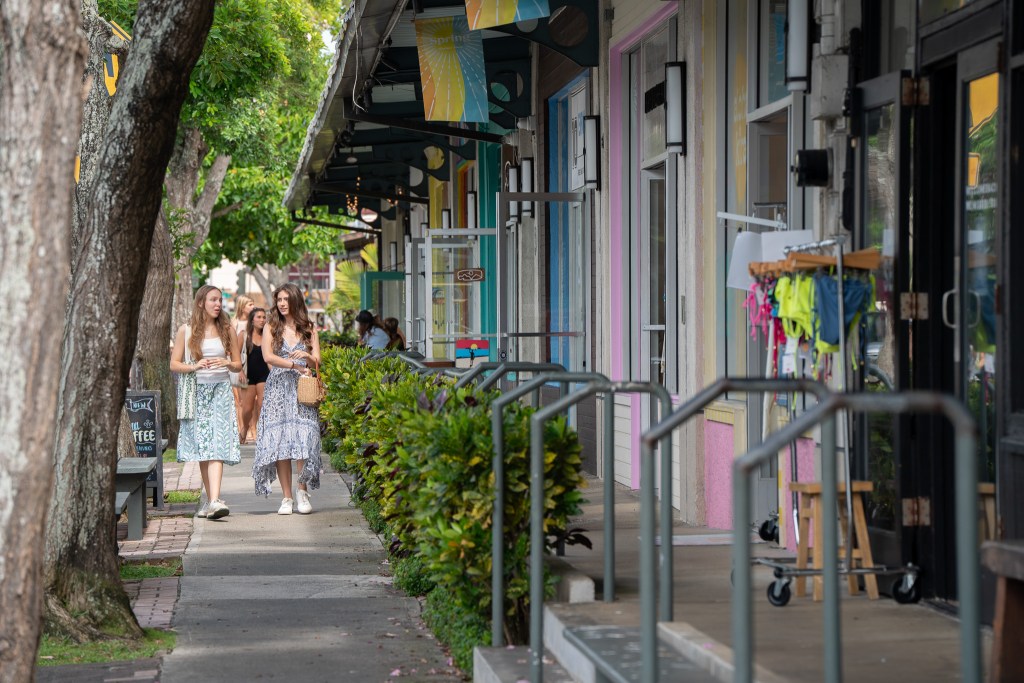
In many ways, this transformation is a cautionary tale. What happens when a place like Kailua becomes desirable? What occurs when newcomers with deep pockets realize that life on Oahu’s Windward side ain’t bad? The very fabric of a place changes — and ordinary families get pushed out.
The data echoes what we can all see. Kailua is richer and more expensive than before. Median household income is about 1.5 times that of the whole state. There are far more high-earning households than there were a decade and a half ago.
The Kailua housing premium is staggering. According to recent statistics, its median gross rent is almost 50% higher than Honolulu County. Ditto the median value of owner-occupied housing units.
Most surprising to me is this: today, more than 40% of Kailua residents were born in another state.
It’s hard to pin down when our old Kailua began to fade away. Psychologically, the arrival of Whole Foods in 2012 and Target in 2015 marked a tectonic shift.
These big-box behemoths mattered in different ways. Whole Foods announced the arrival of deluxe Kailua. Target brought suburban convenience in all its sanitized conformity.
As the chains arrived, local shops began to shut down. While this might be correlation more than causation, the closure of places like Agnes’s Bakery, Strictly Christmas, Hungry Ear Records, and later, Times Supermarket, caused emotional dismay all the same.
In Hawaiʻi, the cost of life permeates everything. Yet we tend to see this burden in abstractions, zooming in on a single indicator: the cost of a home, say, or the price of a loaf of bread, a carton of milk, a gallon of gas.
This myopia sometimes makes us miss the bigger picture. What do these figures mean in their sum?
The answer is: life is increasingly untenable for normal people with normal jobs.
Growing up in Kailua, my friends’ parents were nurses, carpet salesmen, building managers, teachers, HECO foremen.
They bought homes, and though modest, they were cozy, with backyards for black labs and front drives for basketball hoops. And sometimes, if they were lucky, the beach was just a walk away.
Now we have transplants with means, driftwood aristocrats who decorate their homes on Kalāheo Avenue with rattan, hand-thrown stoneware, reclaimed teak. They drive electric cars with MAHA stickers and drink green juice.
What do we lose when we buff out a town’s rough edges? A distinct Hawaiʻi character.
The potholes, the cracking sidewalks, the uncle whose driveway doubles as a muscle car workshop. The fold-out tables for garage parties and kanikapila, the hole in the wall liquor store that might turn a blind eye to a homemade ID. This is the stuff of local life being scrubbed away as the islands gentrify.
For Kailua it might be too late. During an extended stay there not too long ago, I visited some old haunts.
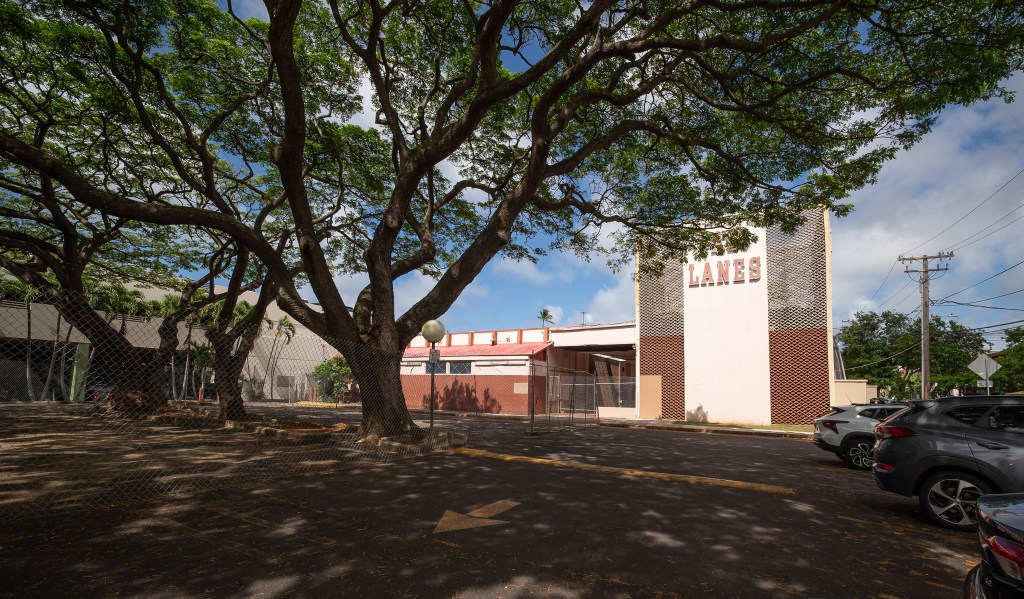
Pali Lanes is closed, and there haven’t been dollar tickets at the cinema for years.
Boots and Kimo’s still exists, though in a new location. But going there now resembles a visit to the Social Security Administration: You wait in line outside with a menu and then order and pay at a service window. Only then does your food come.
Some vestiges remain. Go to 7-Eleven and you’ll still see kids buying pork hash or musubi after a day at the beach. The public library’s bathrooms are filthy as ever. BookEnds, thank god, has managed to survive.
In April, I wrote a column suggesting we all try to be a little more open-minded to development, so long as it’s measured and thoughtful. I stand by this. We do need more housing. We do need updated infrastructure. Experts largely agree that this could help ease our cost of living crisis.
Yet what has happened in Kailua is not that sort of development. In fact, I think it’s a warning sign for what could happen in places like Pālolo, Kalihi, Kaimukī or Kāne‘ohe.
It would be easy to dismiss my sense of loss as nostalgia. You could say stores open, stores close. People come, people go. Sunrise, sunset. Etcetera.
But what happened in Kailua was not organic change. It was remaking, redesign.
Of course, it’s not all bad. Nowadays, you can drink a good draught beer at a lānai-style bar in Kailua town. The restaurants have gotten better. There are cafes that pull a decent espresso.
It’s the sort of place local families can come to shop or eat. But live here? That’s a different story. Kailua, sadly, is no longer for them.
 Sign up for our FREE morning newsletter and face each day more informed.
Read this next:

Local reporting when you need it most
Support timely, accurate, independent journalism.
Honolulu Civil Beat is a nonprofit organization, and your donation helps us produce local reporting that serves all of Hawaii.
ContributeAbout the Author