Neal Milner: People In Hawaiʻi May Not Vote But They're Still Engaged
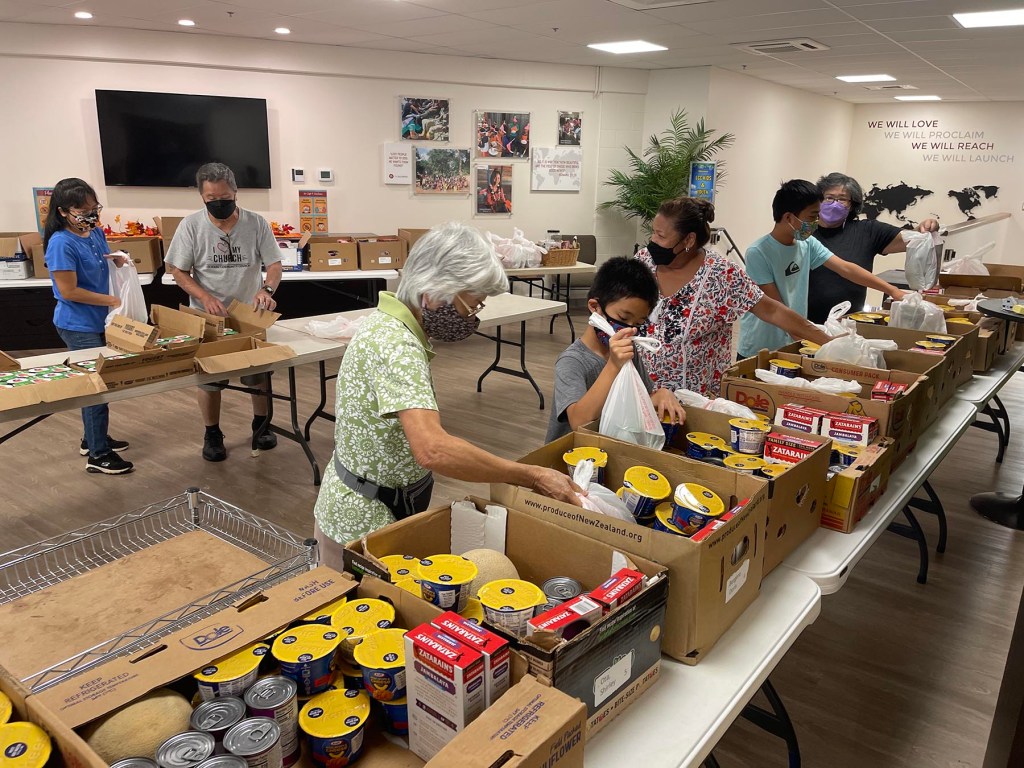
Civic engagement shows up in other ways, like helping neighbors after a flood or sharing food.
June 17, 2026 · 6 min read

About the Author

In Hawaiʻi not-voting has become a habit, more like your diet than your politics. It has become a tradition, even a cultural practice.
That’s the main reason why Hawaiʻi has the lowest voter turnout in the nation, so low that in some elections less than a majority of registered voters vote. Voting has become a deviant act.
Hawaiʻi used to have the highest turnout in the nation. The drop is historical. Whatever voter turnout advocates hope, that’s not going to change in the short run and probably not in the long run either.
Voting researchers stress the importance of habits in determining whether a person votes. Habits are for sure more important than making it easier and more convenient like with mail ballots or easy registration.
Changing the ballot turns out to be simply tinkering. Habits are the guts.

This is how those non-voting habits develop: Many people grow up in families or neighborhoods where there are little or no expectations about voting. So, a potential new voter misses or ignores her first election. That starts the pattern, and non-voting becomes a habit — normal, unexamined behavior.
In Hawaiʻi this habit of not voting has become so persistent and has gone on for so long that it’s become a cultural practice, something that’s become a given— because voting simply doesn’t come up.
Hawaiʻi lacks everything associated with high turnout.
The first is competition. Hawaiʻi has one of the highest levels of one-party dominance in the country, as deep blue as it gets.
Correct me after the November elections if I’m wrong, but I predict that Democrats will win the governorship and both congressional seats. And by a large margin.
My making that call is not rocket science. It’s not even junior high with a substitute teacher science. The ballot is filled with done deals.
The Republican Party here has made some inroads over the last couple of years but still has considerably fewer seats in the Hawaiʻi Legislature than it did 25 years ago.
Every election cycle there is talk about Republicans getting stronger, but trend-wise, it’s still been downhill since Republican Linda Lingle’s governorship. It’s dropped from 33 Republicans in the Legislature during her term to 11 now.
Voters in high turnout states are very polarized. People are more likely to vote if for no other reason than to keep the evil, untrustworthy opposition from taking power. It’s not that people are nicer to each other here. It’s that whatever polarization exists here, the Republicans aren’t strong enough for this to make a difference.
Hawaiʻi is isolated from the enormous amount of constant political turmoil and turbulence that occurs in high turnout states. It’s a state far from the action and really never in play.
Good or bad, there is nothing to pierce the habitual bubble enough to bring out more voters.
Take another look at that list of obstacles. Not one item on that high-turnout list is susceptible to voter turnout strategies. Like non-voting habits themselves, everything on that list is persistent and ingrained.
Habits are more about anthropology, family structure and community than politics, certainly the way get-out-the-vote people think about politics.
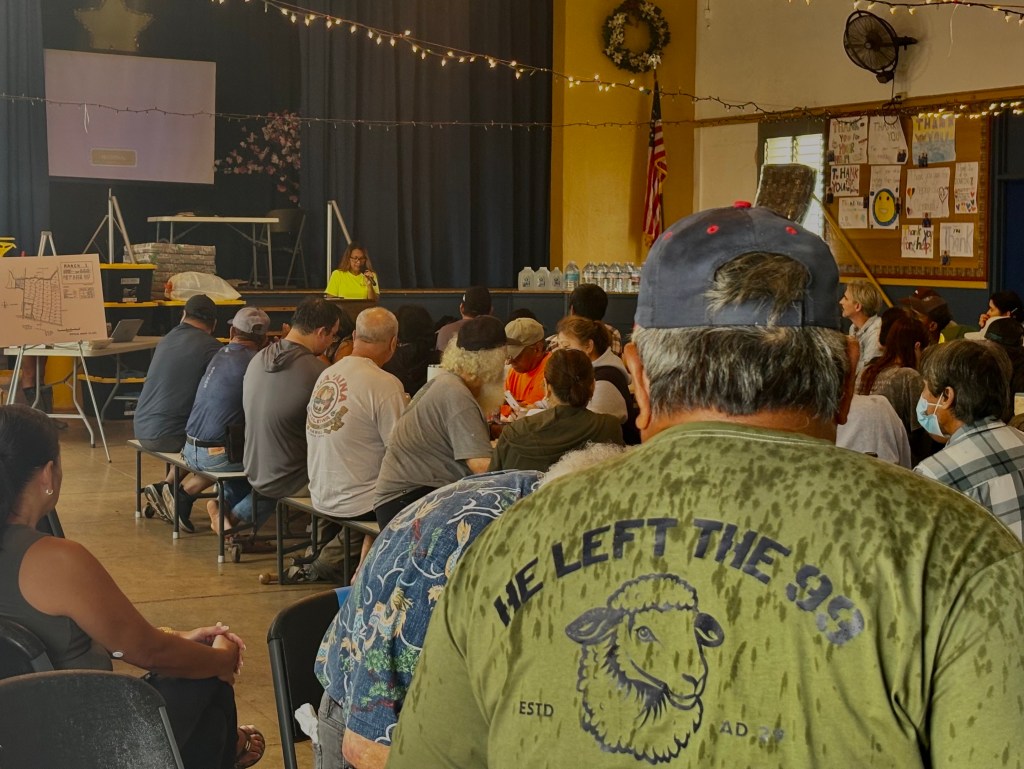
Maybe that’s why voter turnout advocates ignore the habits focus. Maybe they just don’t know about them.
A better reason is about habits. These voting advocates have their own mini-culture and own habits too, based on understandings that politics and voting are important, and with a little of this and a little of that you can get others to believe the same thing.
For them, like for the non-voter, old habits die hard.
But there is something else fundamentally wrong with voting hype. It misses what people in Hawaiʻi do so well, something it rates very high rather than very low. That’s civic engagement.
Our civic engagement in Hawaiʻi is unique. It scores very low on voting, but very high on informal ways that make a place thrive.
People here are very much politically engaged in ways that an emphasis on voting turnout totally ignores because the civic engagement doesn’t involve elections.
Think about how many important things happen in your everyday life that don’t involve elections or what normally are considered politics. Every day that stuff brings people together, builds cohesiveness and gets things done.
Like ordinary citizens going out to Waialua to help after the Kona low storm or helping your neighbor get her child to school when she has a doctor’s appointment or helping someone on Nextdoor.com find food.
The state has strong, close family networks, aided by the fact that they may be living together in the same house.
There are explicit cultural values that support this, like kōkua, ʻohana and aloha.
Civic engagement that works well, that’s ingrained and supported by cultural values. Well, that sounds like another habit to me.
This is a good, healthy habit, which can be traced to early Native Hawaiian cultural practices, and should be nurtured and even relied upon more as a way of getting things done.
When people in Hawaiʻi say the place is “special” that is often what they mean.
Look, I know I am not offering a blueprint here. What I’m really trying to do is to get this place to get real.
Low turnout won’t change. It’s too persistent, too ingrained. Limited or not, informal participation is also an ingrained cultural practice, but it works. It can and should be encouraged.
Focus on something that exists now and won’t be affected by the coming elections at all. And that’s the powerful ways people in Hawaiʻi are engaged that don’t involve elections.
Am I naive, idealistic? You want to accuse me of that, I’ll take the hit.
But I’ll take my idealism over the voter-turnout advocates’ any day of the week.
Because mine is based on facts. Theirs is based on fiction, faith and fervor.
 Sign up for our FREE morning newsletter and face each day more informed.
Read this next:

Local reporting when you need it most
Support timely, accurate, independent journalism.
Honolulu Civil Beat is a nonprofit organization, and your donation helps us produce local reporting that serves all of Hawaii.
ContributeAbout the Author