Pay Attention To Your Neighbor. It Could Save Their Life
A simple text message, a quick phone call or a brief conversation with a neighbor might be an act of public safety.
June 28, 2026 · 4 min read


About the Author
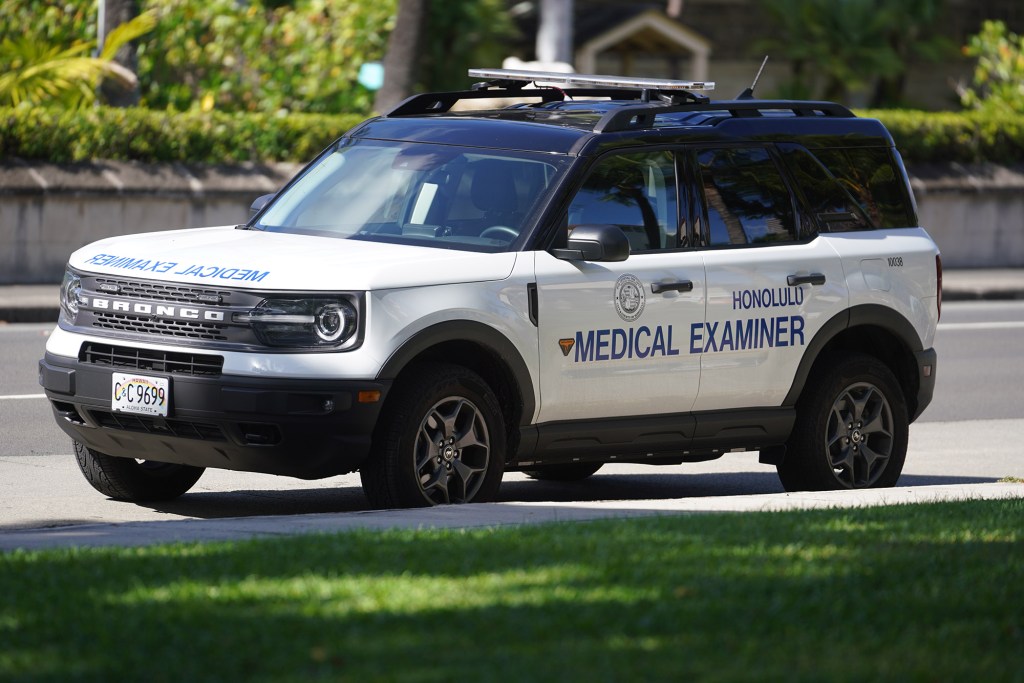
Most people do not spend much time thinking about the work of a medical examiner’s office, and that is probably a good thing, as our role is often associated with tragedy, unexpected deaths and difficult moments for families.
Our work begins after a death has occurred. We investigate deaths that fall within our legal jurisdiction, determine causes and manners of death, support law enforcement and public health partners, and help provide answers to families during some of the most difficult moments of their lives.
Through this work, however, we occasionally observe something else.
We encounter situations in which an individual has died alone and remained undiscovered for an extended period of time.
These situations affect people from every walk of life. Some are elderly. Some are not. Some have family members living nearby. Others have few remaining social connections.
Every case has its own unique circumstances.
Yet one common theme often emerges: someone eventually became concerned.
A neighbor noticed newspapers accumulating. A property manager observed that mail had not been collected. A vehicle that was normally driven remained parked. A pet appeared unattended. Familiar daily routines had suddenly stopped. A family member became worried after several unanswered phone calls. A coworker noticed an unexplained absence. A friend sensed that something was not right.
In many cases, the eventual discovery occurs because an ordinary person pays attention and cares enough to act.
The work of a medical examiner’s office offers a unique perspective on the value of human connection. While our role generally begins after death, we are often reminded that strong connections matter, and communities are built long before our involvement is ever needed.
Hawaiʻi has long valued connection, responsibility and concern for one another. Those values remain just as important today.
Most people do not think of a simple text message, a quick phone call or a brief conversation with a neighbor as an act of public safety. Yet those small interactions can be remarkably important, particularly for individuals who live alone or have limited social support.
While every situation is different, concerns often arise when someone who is normally present suddenly becomes absent.
Many people value their independence. Hawaiʻi is home to countless residents who live active, self-sufficient lives and prefer not to burden others. There is nothing wrong with that. Independence is something to be respected.
However, independence and connection are not mutually exclusive.
Knowing that someone would notice if you suddenly disappeared is a quiet form of security that many people may take for granted.
In our work, we occasionally encounter situations where that safety net has become thin, and not necessarily because someone chose isolation. Life circumstances change. Families relocate. Friends move away. Health challenges emerge. Social circles often become smaller over time, and neighbors may not know one another as well as they once did.
The result can be that a person experiences a medical emergency, dies unexpectedly, or otherwise becomes incapacitated without anyone realizing it for days or even weeks.
That reality makes ordinary acts of community awareness all the more important.
The solution is rarely complicated. It does not require a government program, special training, or significant expense.
More often, it involves ordinary acts of awareness and kindness: checking in on a friend, introducing yourself to a neighbor, noticing when something seems unusual, or making a phone call when your instincts tell you something may be wrong.
Most welfare checks ultimately confirm that everything is fine, but there is little downside to checking when something genuinely appears out of the ordinary.
As medical examiner, I have the privilege of seeing many examples of professionalism, compassion and service throughout our community. I have also seen how meaningful it can be when someone takes the time to notice another person.
The difference between a timely discovery and a prolonged delay is often not technology, policy or government intervention.
It is simply that someone noticed something and cared enough to check.
Sometimes the most important public safety resource in a community is not an institution.
Sometimes it is a neighbor.
 Sign up for our FREE morning newsletter and face each day more informed.
Read this next:

Local reporting when you need it most
Support timely, accurate, independent journalism.
Honolulu Civil Beat is a nonprofit organization, and your donation helps us produce local reporting that serves all of Hawaii.
ContributeAbout the Author