

Luxury Real Estate Broker Had Sex With Assistant At Homes He Was Selling
Former assistant says sexual activities took place at 10 to 20 listed properties over four years.
It would seem as though Stephen Cipres could have afforded a hotel room. Instead, the founder and former president of tony Corcoran Pacific Properties found cheaper, more convenient places for trysts with his assistant: the properties Cipres was selling for his clients.
Sarah Dombrose reckons she and her former boss used 10 to 20 of Cipres’ listed properties for sex over a four-year period, Dombrose has testified in court documents. Cipres hasn’t denied the allegations, though he maintains the sex was consensual and Dombrose initiated it.
The matter is not just fodder for juicy real estate gossip but raises questions about codes of conduct governing licensed real estate professionals, who Hawaiʻi law prohibits from engaging in behavior that may be damaging to the dignity and integrity of the profession. Despite that, Cipres is still working as a real estate broker.
The case also shows what little control and oversight some national real estate brands, including prestigious outfits like Corcoran, exert over agents acting in the brands’ name.
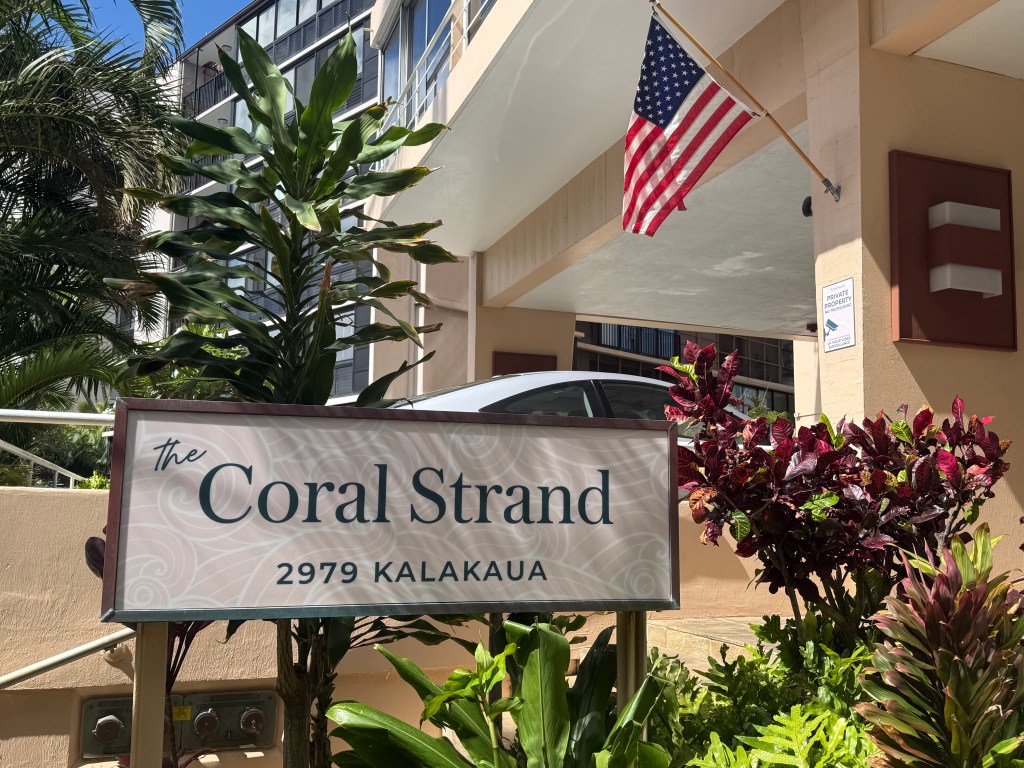
Cipres and Dombrose’s interactions have led to a flurry of litigation. Dombrose’s now-estranged husband, Matthew Gillespie, has sued Cipres for essentially breaking up his marriage. Cipres, in turn, has sued Dombrose for defamation, saying his former underling lied when she said she was coerced into having sex with him at his listed properties. Dombrose has filed for divorce from Gillespie.
With the suits pending, Corcoran Pacific booted Cipres from the brokerage Cipres founded after he admitted to some of the allegations in a deposition, according to Paul Roy, Corcoran Pacific’s principal agent.
“The minute I found out about it, I told Stephen that he either needed to resign or I would terminate him,” Roy said.
Cipres, he said, chose to resign.
“I feel bad for our brand. I feel bad for our agents,” Roy said. “I mostly feel bad for our clients who expected professionals to act in a professional manner.”
Corcoran Pacific is an independently owned franchisee of Corcoran Group LLC, a luxury real estate brand known for listing posh properties in Manhattan, the Hamptons and South Florida. The company was founded by Barbara Corcoran, a popular figure as one of the original “shark” investors on ABC’s “Shark Tank.” Corcoran’s current branding campaign bears the slogan “Home is the ultimate expression of who we are.”
Corcoran Group’s Hawaiʻi lawyer, Christine Balcaid, declined to comment, citing the pending litigation, but said she understood Cipres was no longer affiliated with Corcoran Pacific Properties.
‘I Felt … Like A Sex Worker’
Cipres was a big shot in residential real estate when Dombrose went to work for him in 2021. Cipres founded Elite Pacific Properties in 2005 before launching Corcoran Pacific Properties, an independently owned franchisee of Corcoran Group, in 2020.
Cipres regularly represents owners of multimillion-dollar properties. He and his wife, Lisa, own a $4.3 million, 3,000-square-foot home with a swimming pool in Honolulu’s exclusive Black Point neighborhood.
As Dombrose describes in an affidavit and deposition, when she went to work for Cipres, she was a newly licensed real estate agent desperate for cash with three kids and a struggling marriage. She became Cipres’ assistant, working exclusively for him by attending open houses when he couldn’t be there and doing other tasks to help him sell properties.
Cipres would get the commissions and cut checks to Dombrose from a personal bank account.
Not long after she started, at an open house at the oceanfront Coral Strand condo complex on Oʻahu’s Gold Coast, Dombrose recalls Cipres asked her to sit on his lap, kissed her without consent and then pulled her into a hallway.
“I felt obligated to perform oral sex on him to keep my employment,” Dombrose testified in an affidavit. “I did not want to perform oral sex and only did so because I believed refusing would cost me my job and income.”
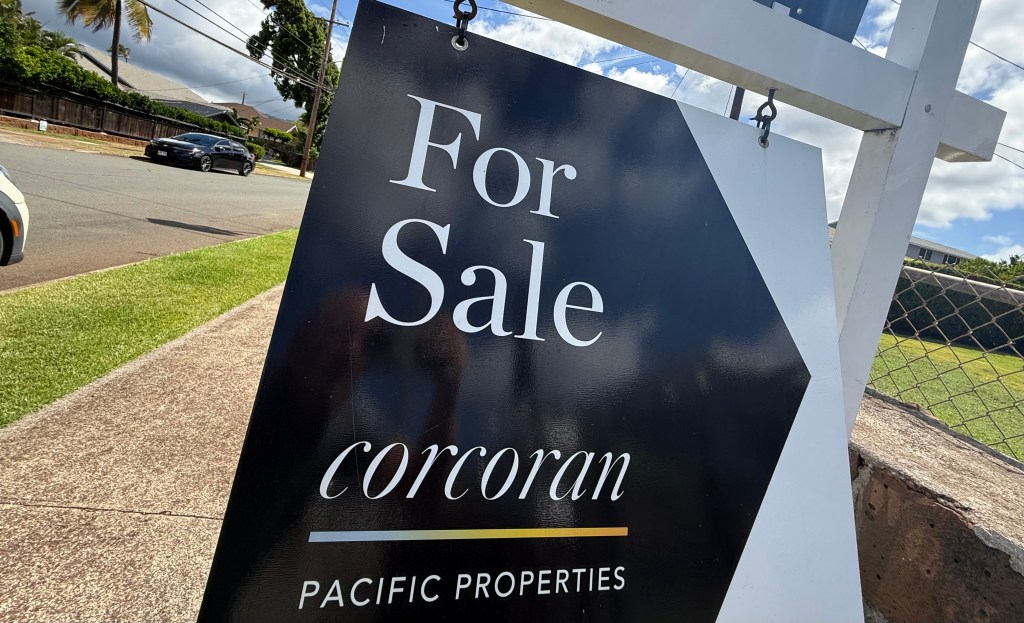
Thus began a four-year sexual relationship between Dombrose and her boss.
“Because of my precarious financial situation, I felt that I had little choice but to continue engaging in sexual relations with Cipres, which often occurred multiple times each week during normal business hours, frequently at listed properties before or after open house events or in one of our parked cars,” she wrote in her affidavit.
Cipres compensated Dombrose well. Over the years, he cut big checks to her: $34,000 here, $50,000 there, and so on, for assisting him, Cipres’ deposition testimony indicates.
Dombrose says she found the sex degrading. At times, she said, Cipres would give her a towel to lie on in someone else’s house or napkins to clean up with after having sex in a car. Cipres never took Dombrose to a hotel or a property Cipres and his wife owned, Dombrose said. There was, she said, nothing romantic about the relationship.
“It felt like a chore,” she said. “I felt really, like, a sex worker.”
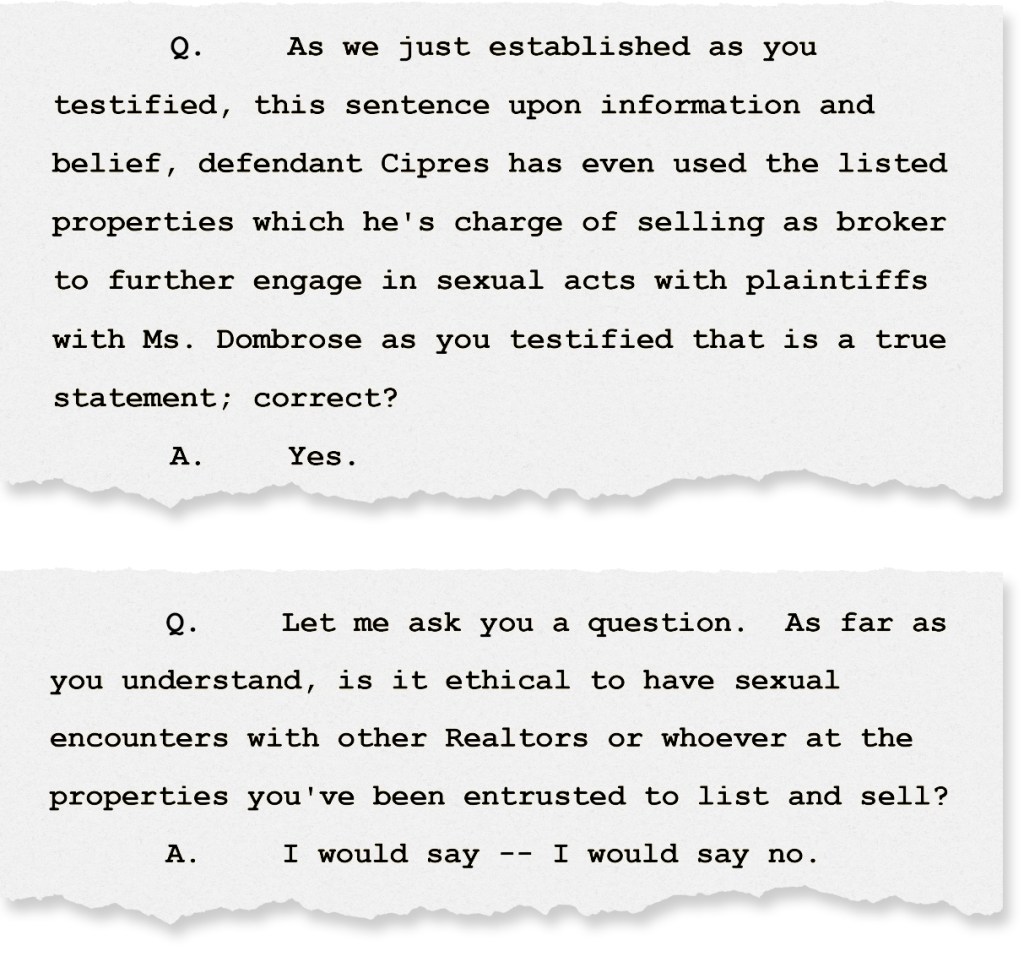
Cipres admitted in deposition testimony that some of his sexual encounters with Dombrose happened at properties he was selling on behalf of his clients. But he shared few details.
Concerning the first encounter at the Coral Strand building, for instance, Cipres said it was possible that “something sexual” happened, but he denied that Dombrose performed oral sex on him there.
When asked specifically whether he had sex with Dombrose in each of the four years in question — 2021 to 2024 —Cipres didn’t deny it, giving the same answer: “Possible but I’m not sure.”
Regardless, Cipres had a different perspective on his sexual relationship with his assistant. His lawyer, Rich Wilson, didn’t respond to a request from Civil Beat for comment. But Cipres’ view of the relationship is spelled out in a defamation complaint he filed against Dombrose earlier this month, in which he says the sex at his clients’ properties was consensual.
Dueling Lawsuits
There’s little doubt Dombrose’s marriage was shaky. Court records show battling temporary restraining orders between her and her husband, who, Dombrose said, suspected she was having an affair with her boss.
In July 2024, Honolulu lawyer Bosko Petricevic filed suit for Gillespie. The complaint outlined allegations of a history of Cipres’ relationship with Dombrose, emphasizing the uneven power dynamic between the wealthy real estate broker and his assistant, a fledgling real estate agent struggling to take care of her family.
The suit named Corcoran Pacific, The Corcoran Group and Cipres as defendants. The suit made a number of claims: that the defendants intentionally and negligently inflicted emotional distress on Gillespie, failed to adequately supervise its employees and engaged in civil conspiracy.
Gillespie also brought a claim for “alienation of spousal affection,” a common law claim largely disfavored in most jurisdictions, that essentially alleged Cipres had wrongly damaged Gillespie’s marriage. Dombrose filed for divorce soon after Gillespie filed suit against Cipres in 2024.
In January 2025, Honoulu Circuit Court Judge Steven Nichols dismissed the alienation of spousal affection claim but not the others. Since then, the litigation has been grinding forward. Cipres suffered a blow in late May when Honolulu Circuit Court Judge Shirley Kawamura denied his request to seal court documents in which Gillespie laid out evidence against Cipres, including deposition transcripts.
Cipres has shot back with his own lawsuit, accusing Dombrose of defaming him by saying the sexual relationship wasn’t consensual. According to the complaint, Dombrose used Cipres “as a shoulder to cry on” about her troubled marriage. After gaining Cipres’ trust and affection, the complaint says, Dombrose was the one who pursued sex with him.
“The Plaintiff never pressured, compelled, or coerced Dombrose into either starting or maintaining their relationship,” Cipres alleges. “In fact, Dombrose initiated their first intimate encounter.”
Brands Say They Don’t Control Agents
Regardless of what judges and juries decide, the cases shed light on the relationship between Corcoran Group and agents selling homes festooned with signs bearing the Corcoran trademark.
In Cipres’ case, Corcoran Group says it had no control over the wayward agent. Corcoran Pacific has said the same.
Soon after Gillespie filed his lawsuit against Cipres, Roy, Corcoran Pacific’s principal agent, wrote Gillespie’s lawyer an email stating that Cipres was merely an independent contractor for Corcoran Pacific.
“As such,” Roy wrote, “he is responsible for his own business operations, and we do not exercise control over his day-to-day activities.”
Corcoran Group has taken a similar stance.
“As you are aware, Corcoran Group LLC is a franchisor so it does not own nor control any of the parties in this litigation,” wrote Sean Campbell, litigation and regulatory affairs counsel for Corcoran’s parent company, Anywhere Reat Estate Inc., in an email to Petricevic. “Your inclusion of Corcoran Group LLC in this matter is patently frivolous.”
Petricevic says Corcoran’s response is disingenuous.
“I had put them on notice two years ago,” he said. “They knew about it for two years, and for two years they’ve said they had nothing to do with it. They chose to put their head in the sand, and the homeowners suffered.”
Petricevic also questioned Corcoran Pacific Properties’ position that Cipres was merely an independent contractor when he was also the company’s founder, president and shareholder.
“The notion that the owner and president of the company is an independent contractor is laughable,” he said.
Campbell declined to comment.
On Thursday, the Corcoran Group’s local counsel made another attempt to keep the public from seeing the deposition transcripts.
“This is a time sensitive matter because on June 22 and 25, 2026, Civil Beat indicated that it intends to publish an article regarding this lawsuit,” Belcaid wrote in her motion, “and on June 22, 2026, Civil Beat stated that it will be quoting from the confidential deposition transcripts of Defendant Stephen Cipres and non-party Sarah Dombrose in that article.”
On Friday, the judge denied Corcoran’s request.
It remains to be seen whether state real estate regulators do anything in light of Cipres and Dombrose’s statements that they had sex at listed properties.
Real estate salespeople and brokers are subject to a raft of regulations administered by the Hawaiʻi Real Estate Commission designed to protect the public against “fraud, misrepresentation or unethical practices in the real estate field.” One regulation governing conduct says, “The licensee shall endeavor to eliminate any practices in the community which could be damaging to the public or to the dignity and integrity of the real estate profession.”
Penalties can be harsh. In March, licensed real estate salesman Michael Donohue voluntarily relinquished his license in lieu of facing disciplinary action for failing to report a contempt of court conviction that had occurred in 2000 when he applied for his license in 2015.
During his deposition, Cipres acknowledged it wasn’t ethical to have sex at a property he had been entrusted to sell. But regulators have yet to hold him accountable.
William Nhieu, a spokesman for the Hawaiʻi Department of Commerce and Consumer Affairs, said Cipres’ broker license remains valid and in good standing. Cipres is now selling multimillion-dollar properties through his own brokerage.
“The Real Estate Commission,” Nhieu added, “has not received any complaints to date relating to the licensee.”

