

Whistleblower Alleges Medical Giant Bribed Hawaiʻi Provider
Lawsuit claims Abbott Laboratories defrauded federal health insurance programs.
Kris Ghosh returned home to Hawaiʻi in March 2023 to take a medical sales job and care for his ailing parents, a retired doctor and nurse. Ghosh hoped to use the skills as a seasoned sales rep. Instead, he quickly got a bird’s-eye view of what he says were crooked deals involving one of the world’s largest medical device makers — and, after he tried to blow the whistle, a pink slip.
Ghosh says medical device and pharmaceutical giant Abbott Laboratories wrongly fired him after he began internally reporting what he says were illegal kickbacks meant to entice clinics in Hawai‘i to use the company’s equipment for outpatient procedures. Ghosh has laid out his allegations in a federal whistleblower complaint against Abbott.
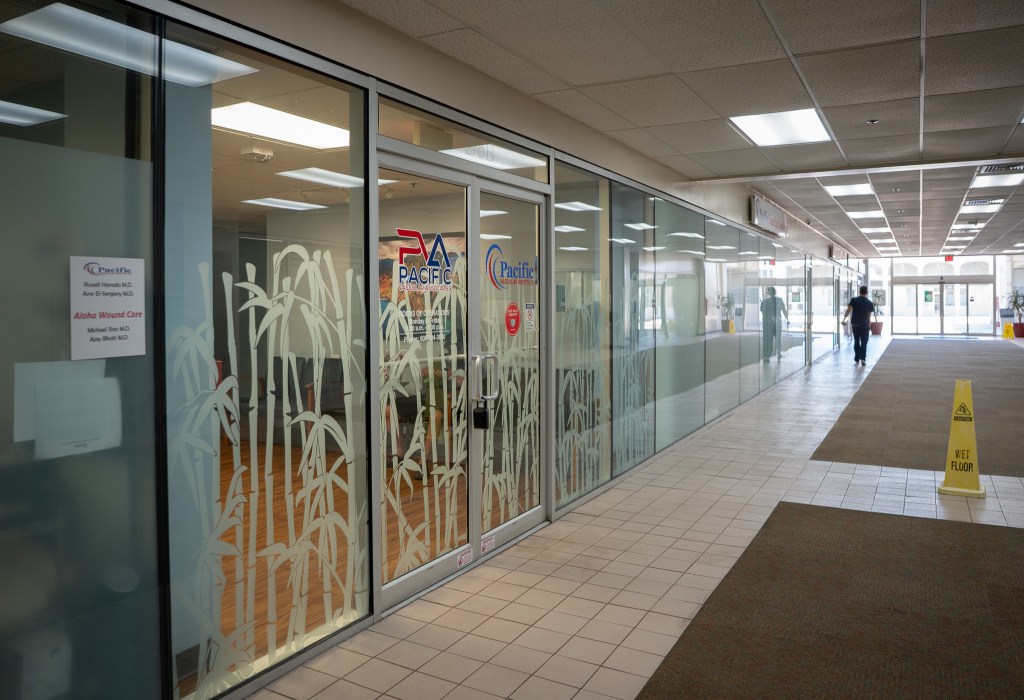
The beneficiary of Abbott’s alleged improper largesse was Pacific Vascular Institute, which operates six outpatient facilities in Hawaiʻi, including offices on Maui and Hawaiʻi island, where access to vascular care is scant. Pacific Vascular is not named as a defendant in Ghosh’s lawsuit.
The crux of Ghosh’s complaint is that Abbott and a Minnesota-based subsidiary violated a federal Anti-Kickback Statute by illegally inducing Pacific Vascular to use Abbott devices and equipment in procedures, known as atherectomies, to unblock leg arteries. Ghosh also alleges that Abbott’s actions constituted violations of the federal False Claims Act.
Regardless of whether Abbott violated any laws, the lawsuit highlights the explosive growth nationally of outpatient vascular treatment centers like Pacific Vascular Institute, which The New York Times documented in a 2023 investigative report. The Times found that “from 2017-2021, about half of Medicare’s atherectomy payments – $1.4 billion – have gone to 200 high-volume providers.”
The Times detailed the cozy financial relationship between the outpatient clinics and device makers, which the report said led providers to do more of the procedures than necessary, and highlighted complications arising from the procedures, which frequently caused patients to need leg amputations.
In a response to the article, the Society for Vascular Surgery noted that none of the doctors featured in the article were board-certified vascular surgeons.
Some Hawaiʻi healthcare leaders view outpatient treatment centers as lower-cost alternatives to hospitals and vital to curbing rising healthcare costs and enhancing access to care in remote locales. For example, Ray Vara, chief executive of Hawaiʻi Pacific Health, one of the state’s largest hospital companies, has said increasing use of outpatient surgery centers would be a key element of One Health Hawaiʻi, a vertically integrated system the hospital giant and HMSA have proposed creating to help squelch rising healthcare costs.
Ghosh’s complaint also comes as the federal government has stripped $3 million in annual funding from the Hawaiʻi Attorney General’s Office after determining the AG hadn’t effectively prosecuted Medicaid fraud cases for the past several years.
“This lawsuit seeks to pursue allegations that have already been rejected by the courts.”
Abbott Laboratories
Abbott says Ghosh’s claims have no merit. In a statement, the company pointed to a previous, failed attempt by Ghosh to bring a similar whistleblower suit in Minnesota under that state’s whistleblower protection law.
“This lawsuit seeks to pursue allegations that have already been rejected by the courts,” Abbott said. “This lawsuit makes substantially similar claims, and we continue to believe they are without merit.”
In truth, U.S. District Court Judge David Doty never addressed the merits of Ghosh’s allegations in the Minnesota case. Instead, Doty dismissed the case on jurisdictional grounds, determining that Minnesota’s law applied only to Minnesota employees and that time Ghosh spent in Minnesota doing mandatory training didn’t qualify him as a Minnesota employee.
The 8th U.S. Circuit Court of Appeals affirmed Doty’s ruling.
Frances Miller is a professor emerita at Boston University Law School and has spent decades studying the federal Anti-Kickback and False Claims statutes.
On its face, Miller said, Ghosh’s 32-page complaint, which is replete with details of Abbott’s alleged kickback schemes, “looks like a slam dunk.”
“But,” Miller cautioned, “this is just a complaint. He puts everything in the light most favorable to his case, which he should.”
Ghosh and his attorney, Joe Rosenbaum, declined to comment.
In a statement, Pacific Vascular said, “We are unable to comment on pending litigation between other parties except to say that the allegations made involving PVA and affiliates are categorically false.”
Federal Law Defines Kickbacks Broadly
Congress passed the Anti-Kickback Statute in 1972 to protect Medicaid and Medicare from unnecessary costs.
Lawmakers were concerned that doctors were getting paid to refer patients for unnecessary procedures — leaving taxpayers to foot the bill. Congress targeted “certain practices which have long been regarded by professional organizations as unethical,” specifically “soliciting, offering, or accepting kickbacks or bribes.”
Over the past several decades, Congress closed loopholes, increased penalties for violations and broadened the prohibition: providers aren’t supposed to get anything of value — cash or anything else — in exchange for referring patients, prescribing drugs or using devices.
The Affordable Care Act in 2010 added a brutal hammer: a violation of the Anti-Kickback Statute also would constitute a violation of the federal False Claims Act. People who blow the whistle on false claims can’t be fired or demoted in retaliation.
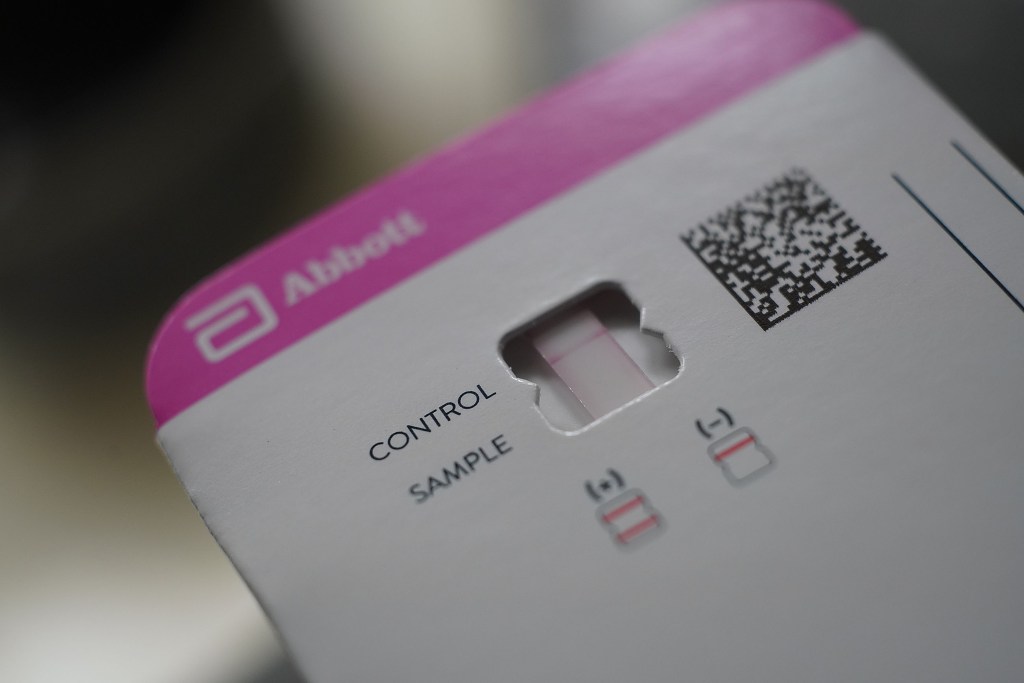
Over the years, drug companies, device makers, hospitals, laboratories, pharmacies and others have been busted for various schemes that amounted to bribing doctors to use their goods and services.
In 2009, for instance, Pfizer Inc. agreed to pay a record $2.3 billion to settle claims brought by state governments and whistleblowers, including that the pharma giant bribed providers to prescribe drugs like Lipitor, Zyrtec and Viagra.
More recently, in 2021, Athenahealth Inc., a cloud-based medical records company, agreed to pay the feds $18.3 million after being caught giving existing and potential clients lavish, all-expense-paid trips to events like the Kentucky Derby, Masters golf tournament and New York Fashion Week.
In a recent case involving Hawaiʻi, the state joined the federal government and 43 other states to settle claims that Precision Diagnostics Inc., knowingly submitted false claims to the Medicaid program related to urine drug testing that was either not medically necessary or tainted by kickbacks. Hawaiʻi received $101,416 of the $27 million settlement.
“I can give you a zillion cases,” said Miller, the law professor.
Kickbacks often involve not bags of cash but sophisticated schemes involving free equipment, educational courses and speeches used to compensate providers and various other marketing ploys, but Miller said the result is simple.
“It’s called a bribe,” she said. “The kind of conduct they’re going after, stripped down to its essence, is what we’d call a bribe.”
Lawsuit Outlines Alleged Sophisticated Schemes
When Ghosh was planning his return to Hawaiʻi, his complaint says, he already had significant experience in medical device sales and knew what could and couldn’t be done under the Anti-Kickback and False Claims statutes. He interviewed with three companies and landed with Cardiovascular Systems Inc., a Minnesota-based device maker that was acquired by Abbott as Ghosh was coming on board.
Ghosh soon saw what he said were improper inducements being given by Cardiovascular Systems and Abbott to Pacific Vascular, which used the Cardiovascular Systems-Abbott equipment in atherectomies.
One series of inducements, the suit alleges, involved a former Pacific Vascular employee hired by Cardiovascular Systems to market the company’s products back to her former employer. According to the complaint, the former Pacific Vascular employee then became a conduit for Cardiovascular Systems to improperly steer products to Pacific Vascular for free — including balloons, catheters and wires used in procedures.
“It’s not just illegal, it’s flat-out fraud.”
Frances Miller, professor emerita, Boston University School of Law
One problem with giving providers free equipment is that the providers may end up billing Medicare and Medicaid for the cost of equipment that providers didn’t actually pay for.
Another alleged scheme involved what the complaint calls illegal bundling. In essence, according to the complaint, the more Cardiovascular Systems handheld devices Pacific Vascular purchased, the more accessories it would receive for free.
The Anti-Kickback Statute allows bundling in some instances. But the suit alleges that the companies didn’t maintain the proper documentation for free items, creating the risk that Pacific Vascular could “bill federal reimbursement healthcare programs — including Medicare — for items provided without charge.” Regardless of whether Pacific Vascular billed federal programs for free items, Ghosh alleged the bundling deals didn’t meet the safe harbor requirements of the Anti-Kickback Statute and were therefore illegal.
Ghosh also alleges that Abbott and Cardiovascular Systems engaged in illegal “prebate” deals, which involved upfront cash kickbacks based on the volume of products ordered.
As policymakers view it, such marketing practices generally put a strain on public resources — including state money in the case of Medicaid. In addition, volume-based incentives can lead providers to do unnecessary treatments, which not only cost money but also increase the risk for patients.
If the facts Ghosh lays out in his complaint are true, “It’s not just illegal, it’s flat-out fraud,” says Miller, the healthcare law professor. “It’s alleged, garden-variety fraud.”
Will State Investigate Fraud Allegations?
Whether Hawaiʻi state officials will investigate Ghosh’s allegations, and whether Abbott’s arrangements with Pacific Vascular were illegal, remains to be seen. The AG’s office has come under fire for not prosecuting Medicaid fraud cases.
“If you’re committing fraud in Medicaid in Hawaiʻi, at least up until now, you’ve had effectively free rein from the government of Hawaii to commit as much fraud as you want,” Vice President JD Vance said in May, weeks before federal officials cut $3 million in annual funding to the Hawaiʻi AG’s Medicaid fraud control unit.
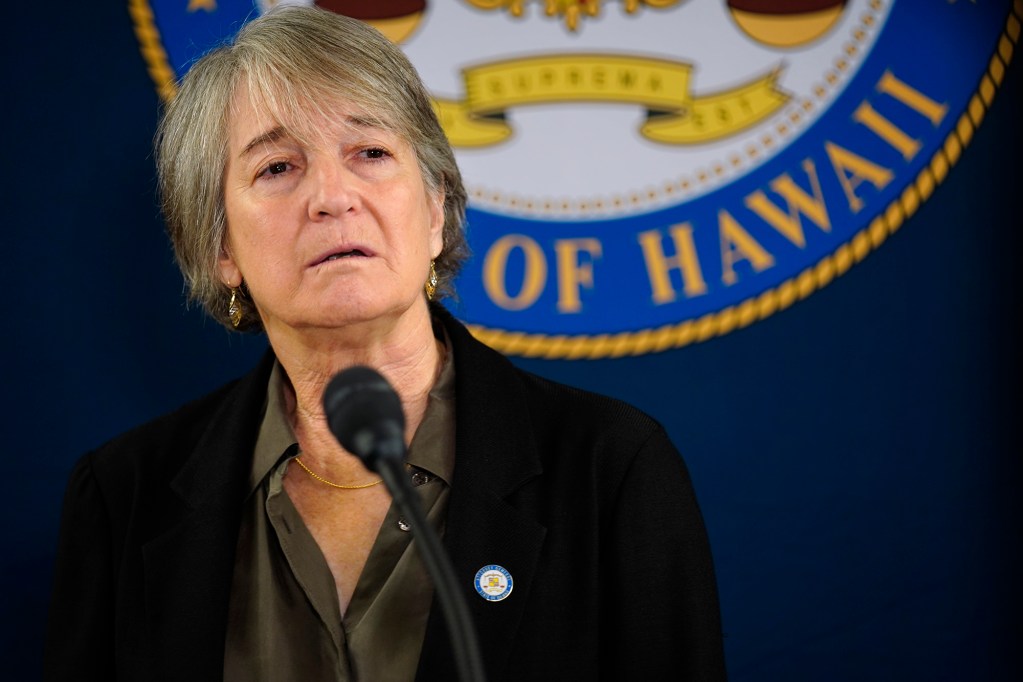
“Bafflingly, between 2022 and 2025, your Unit did not obtain a single conviction for Medicaid fraud,” U.S. Department of Health and Human Services Inspector General T. March Bell wrote in a letter to Hawaiʻi Attorney General Anne Lopez in June. “Even worse, it did not even obtain an indictment. Not a single Medicaid fraud indictment or conviction, despite receiving approximately 12 million Federal tax dollars to fight Medicaid fraud during that period.”
Gov. Josh Green responded to the announcement by announcing the creation of an “independent Medicaid Fraud Strike Force within the Hawaiʻi Department of Human Services (DHS) to strengthen oversight, accountability and coordination in the fight against Medicaid fraud, waste and abuse.”
“Hawaiʻi takes Medicaid fraud seriously,” Green said in a statement.
If that’s true, then the administration should look into Ghosh’s allegations, Miller said.
“It’s a rule of thumb that the most dangerous person to someone trying to skirt the law is their employee,” Miller said. “The employee knows exactly what’s happening.”
Toni Schwartz, a spokeswoman for Hawaiʻi Attorney General Anne Lopez, declined to comment.
“The Department of the Attorney General cannot comment on the merits of pending litigation or on specific allegations made in a civil lawsuit,” she said.
Civil Beat’s health access reporting is supported in part by the Atherton Family Foundation.

